







Frequently asked questions about Ceetec DuoFlexSpray
Who is the Ceetec DuoFlexSpray painting machine suitable for?
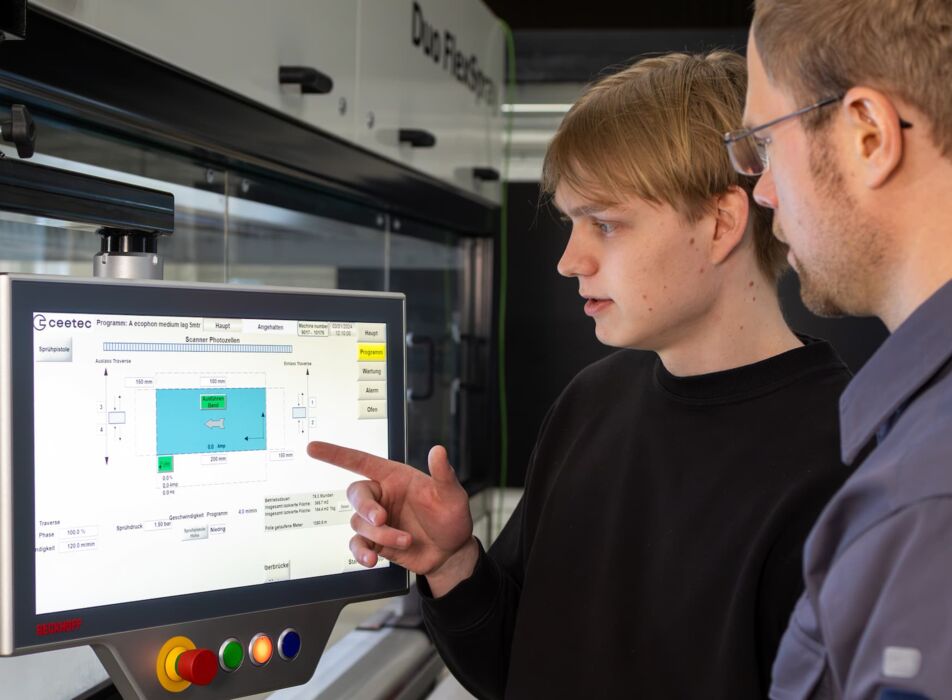
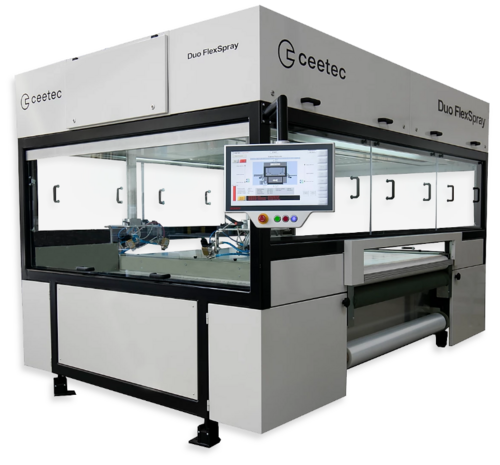
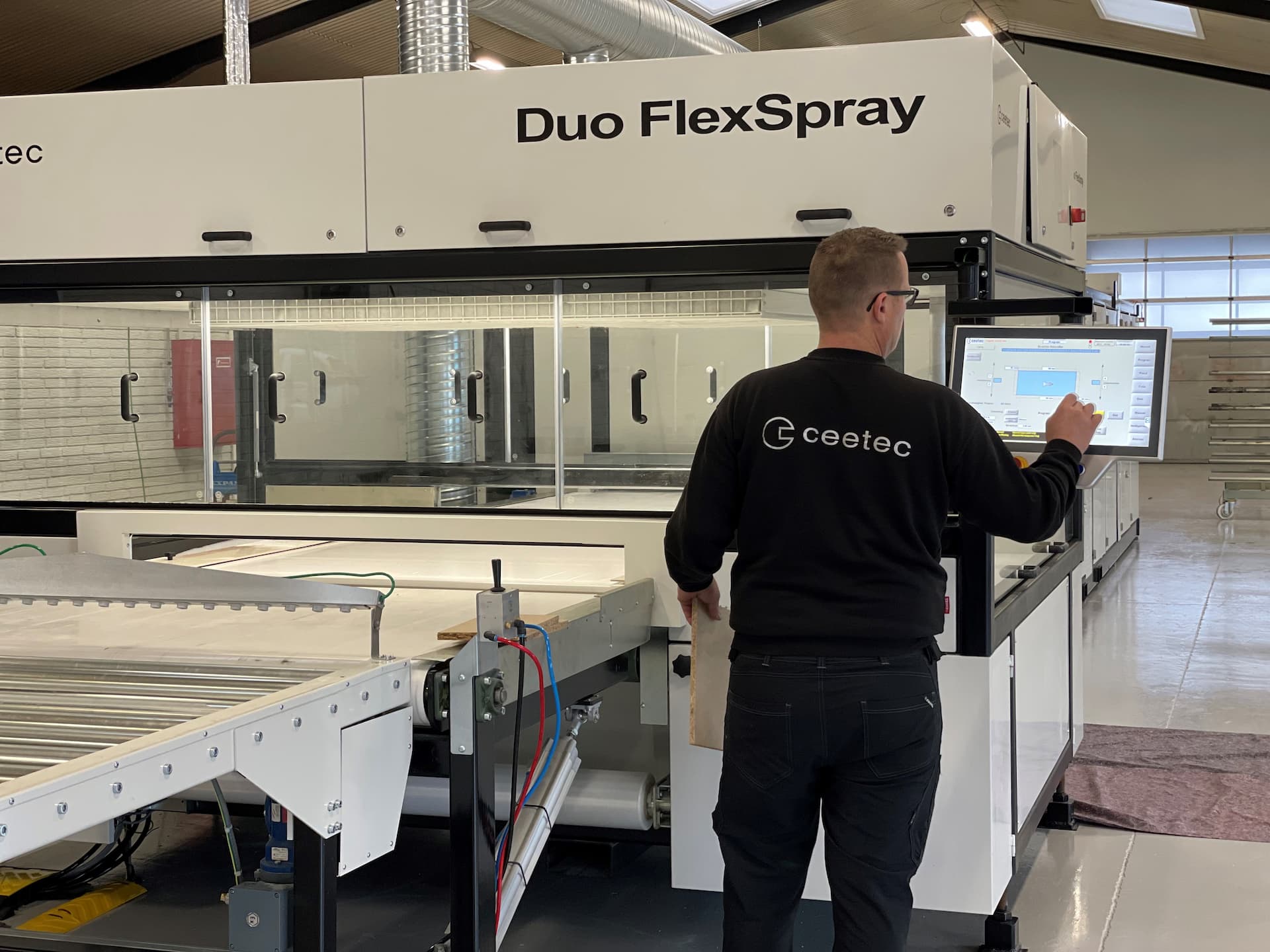
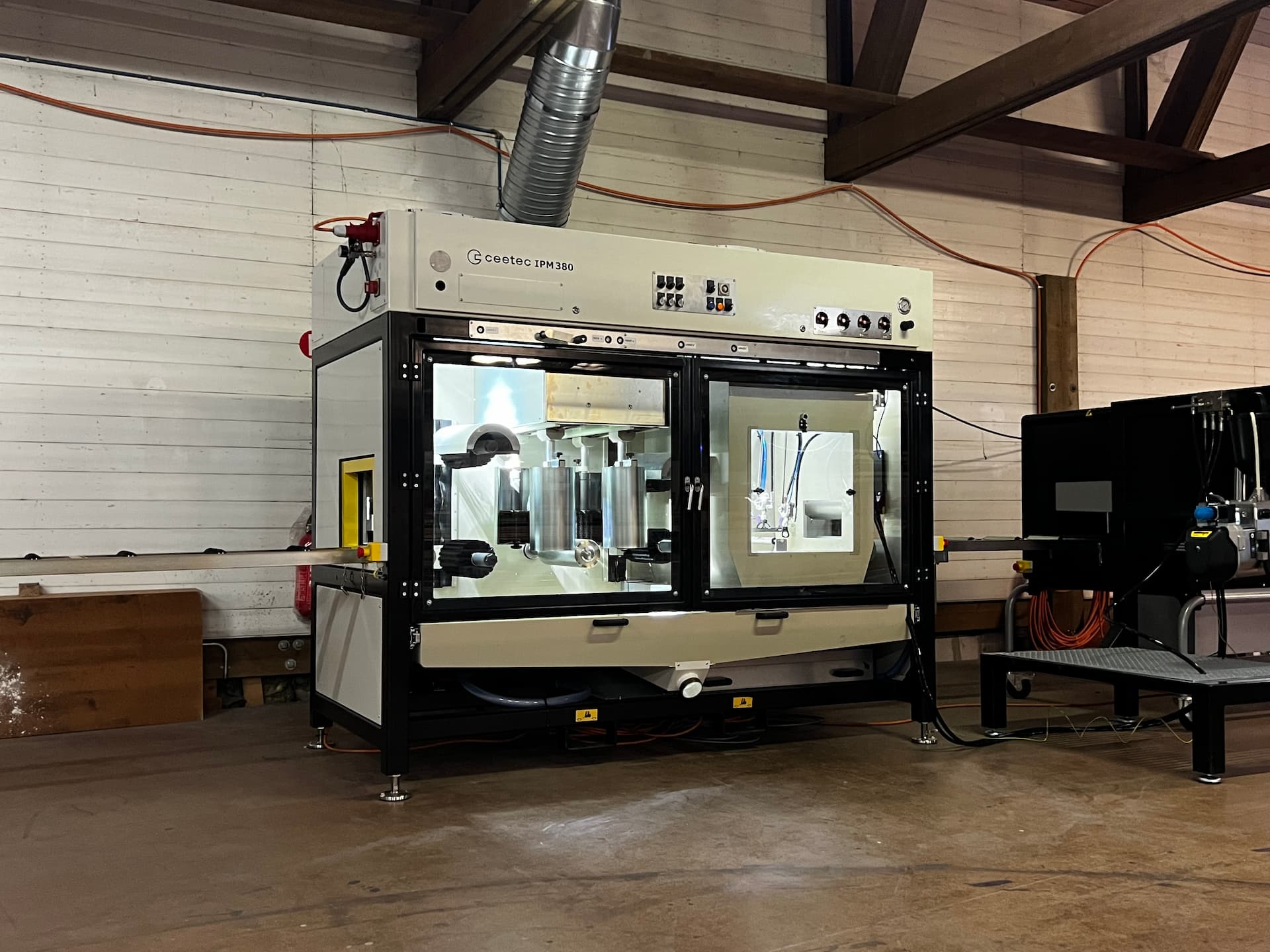
The Ceetec DuoFlexSpray painting machine is ideal for craft and industrial businesses that want to automate their painting processes to increase efficiency and guarantee the highest product quality. No special training is required; after a short training session, any user with average skills can operate the machine.
Which products can the Ceetec DuoFlexSpray painting machine process?
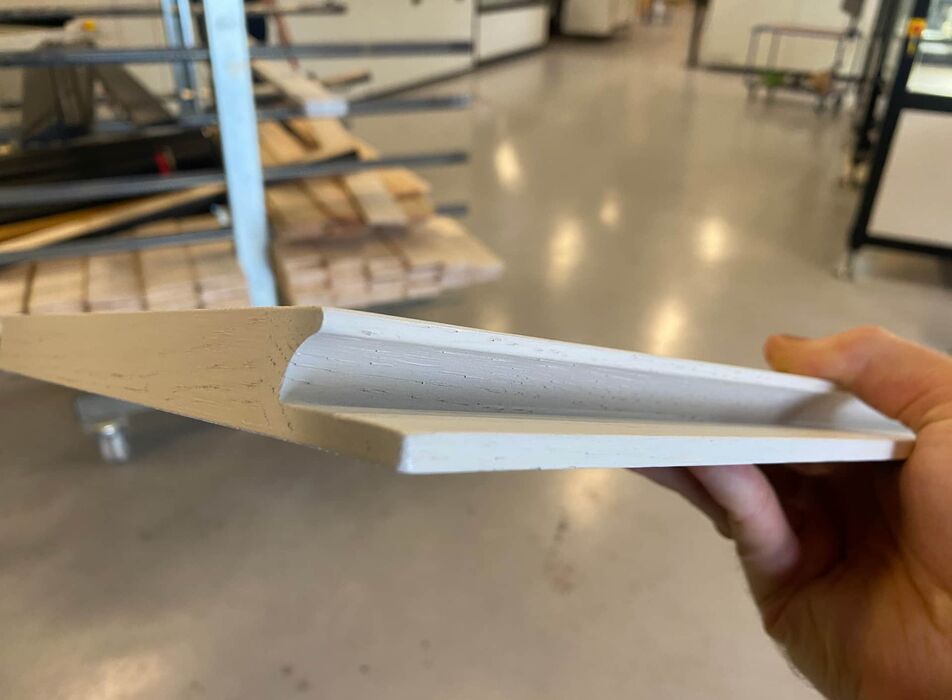
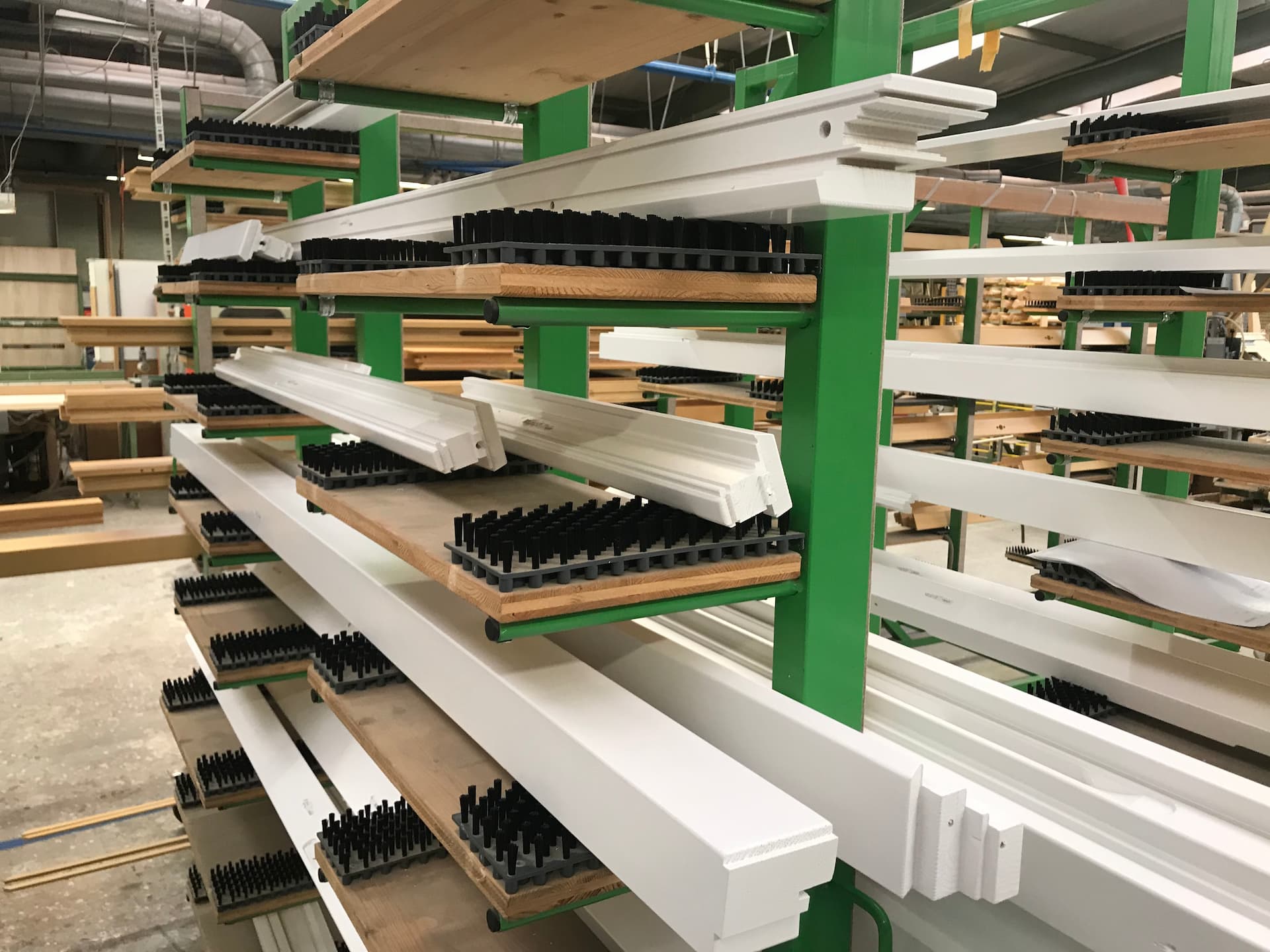
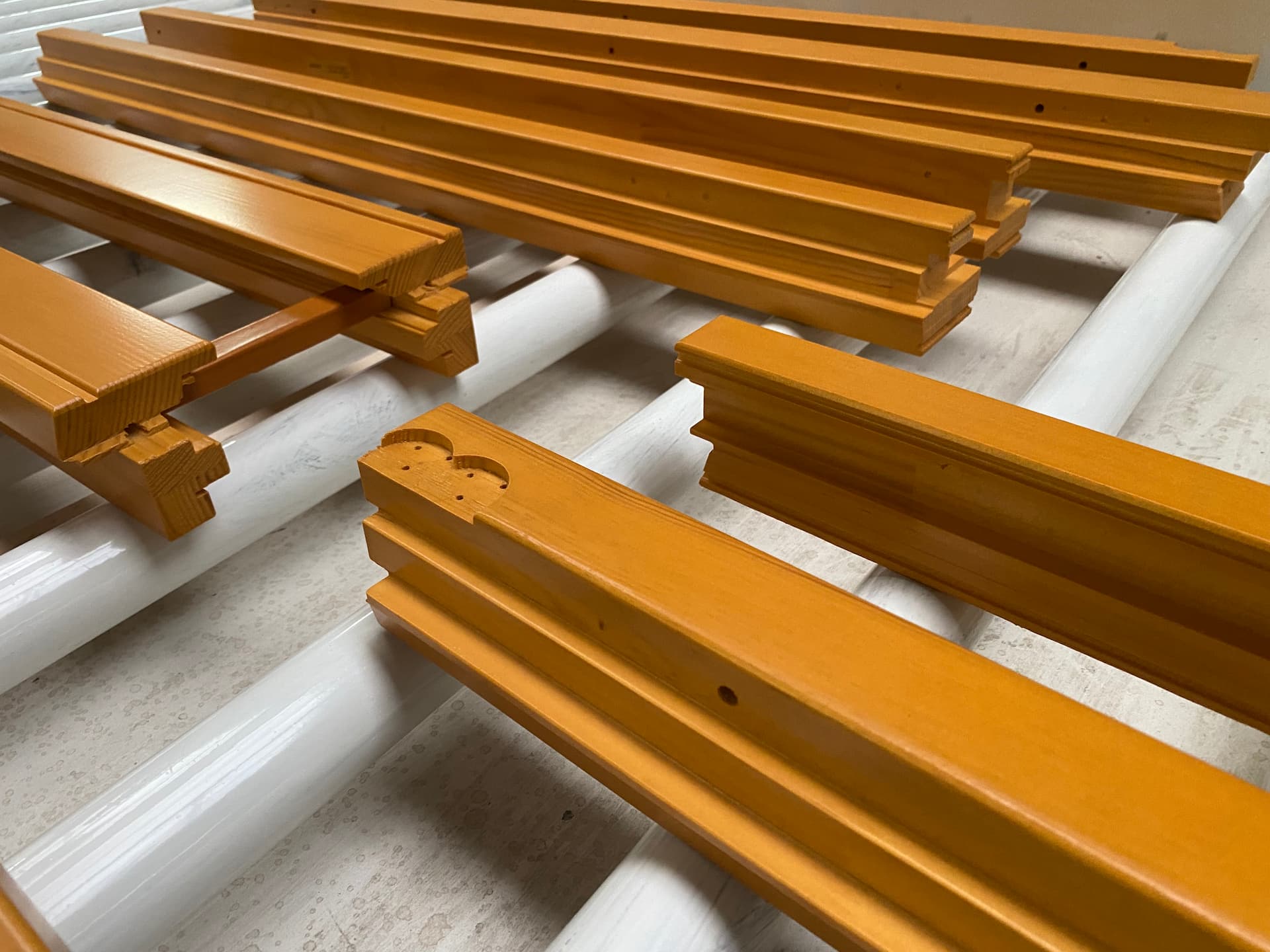
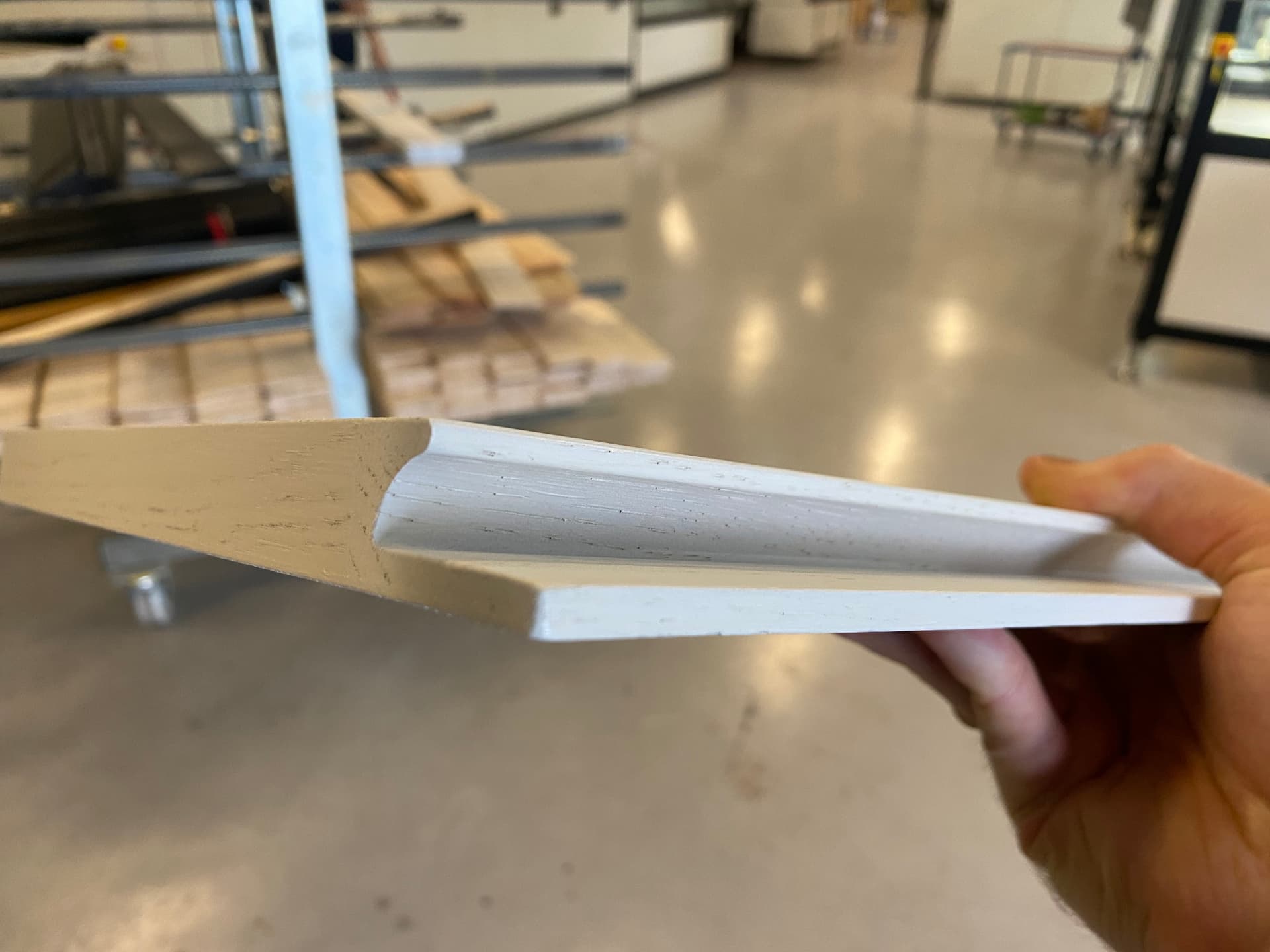
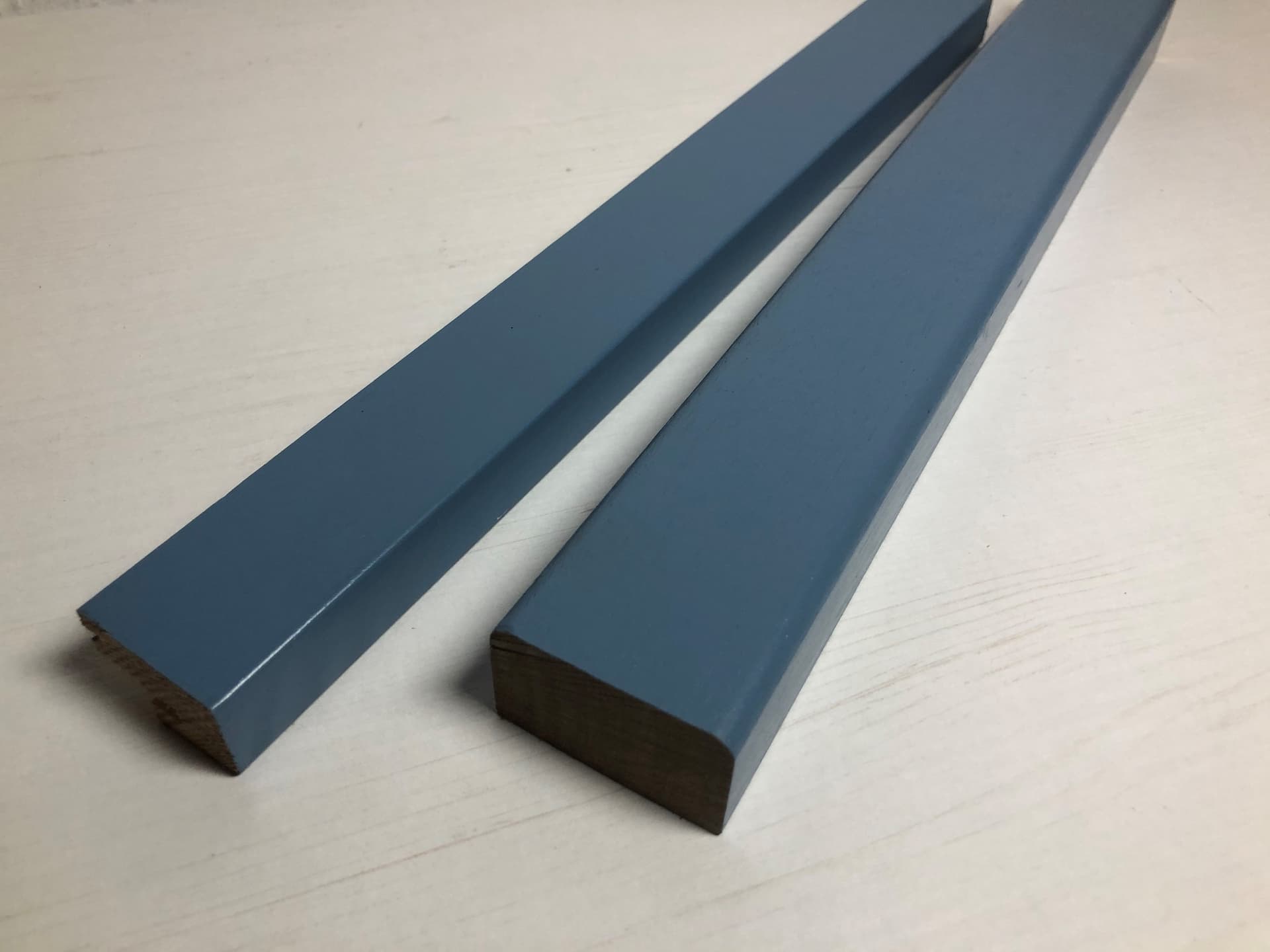
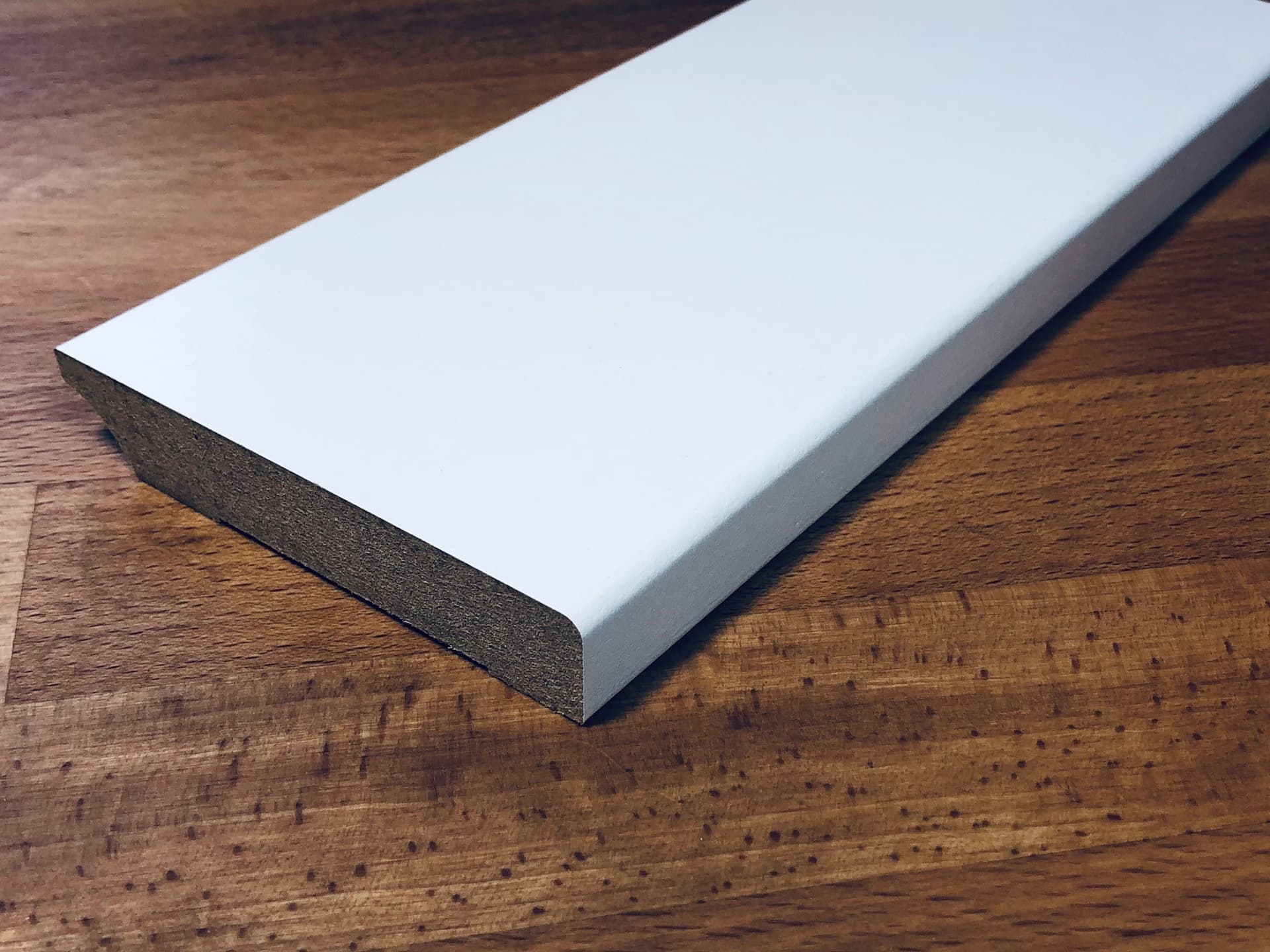
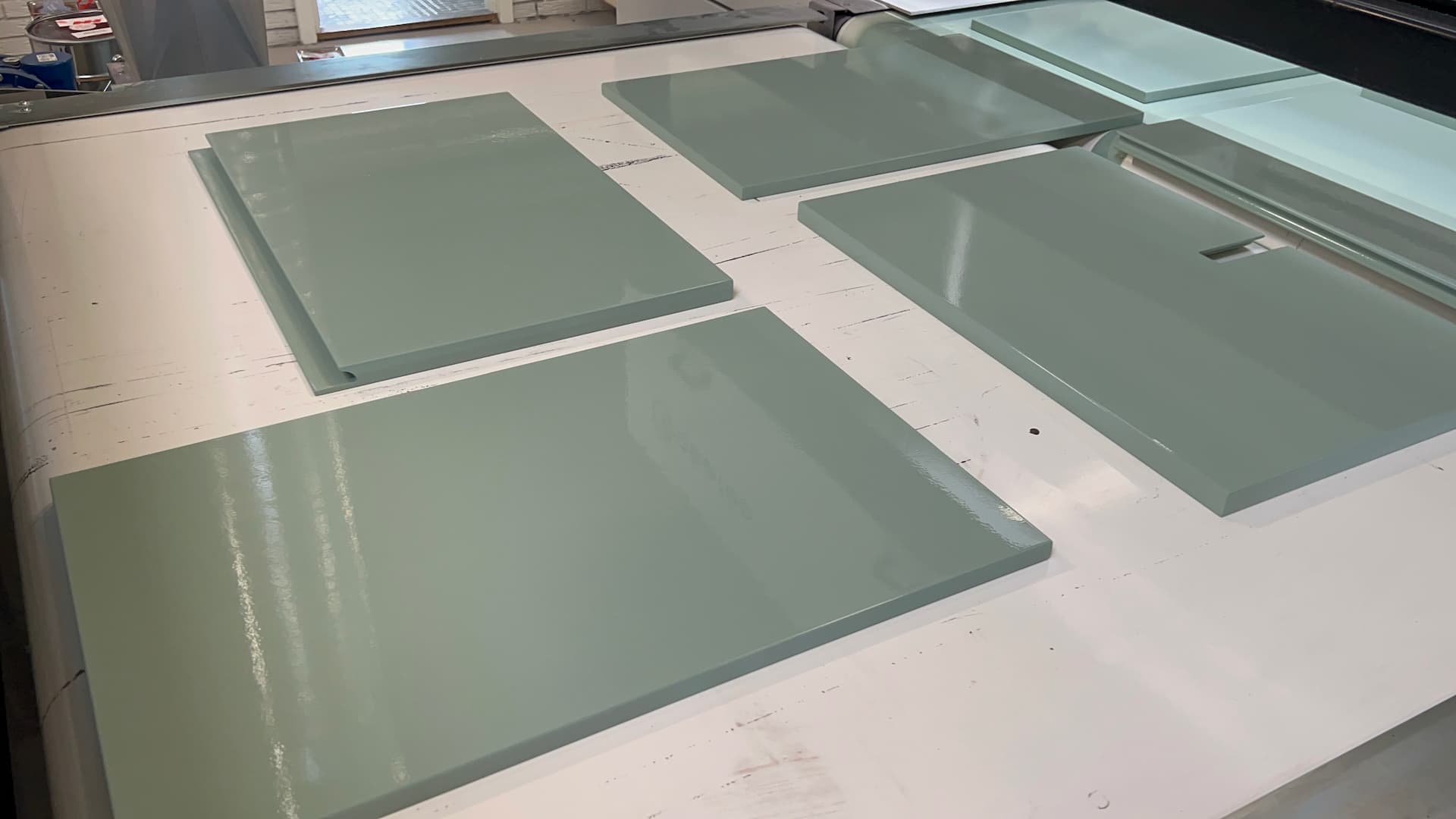
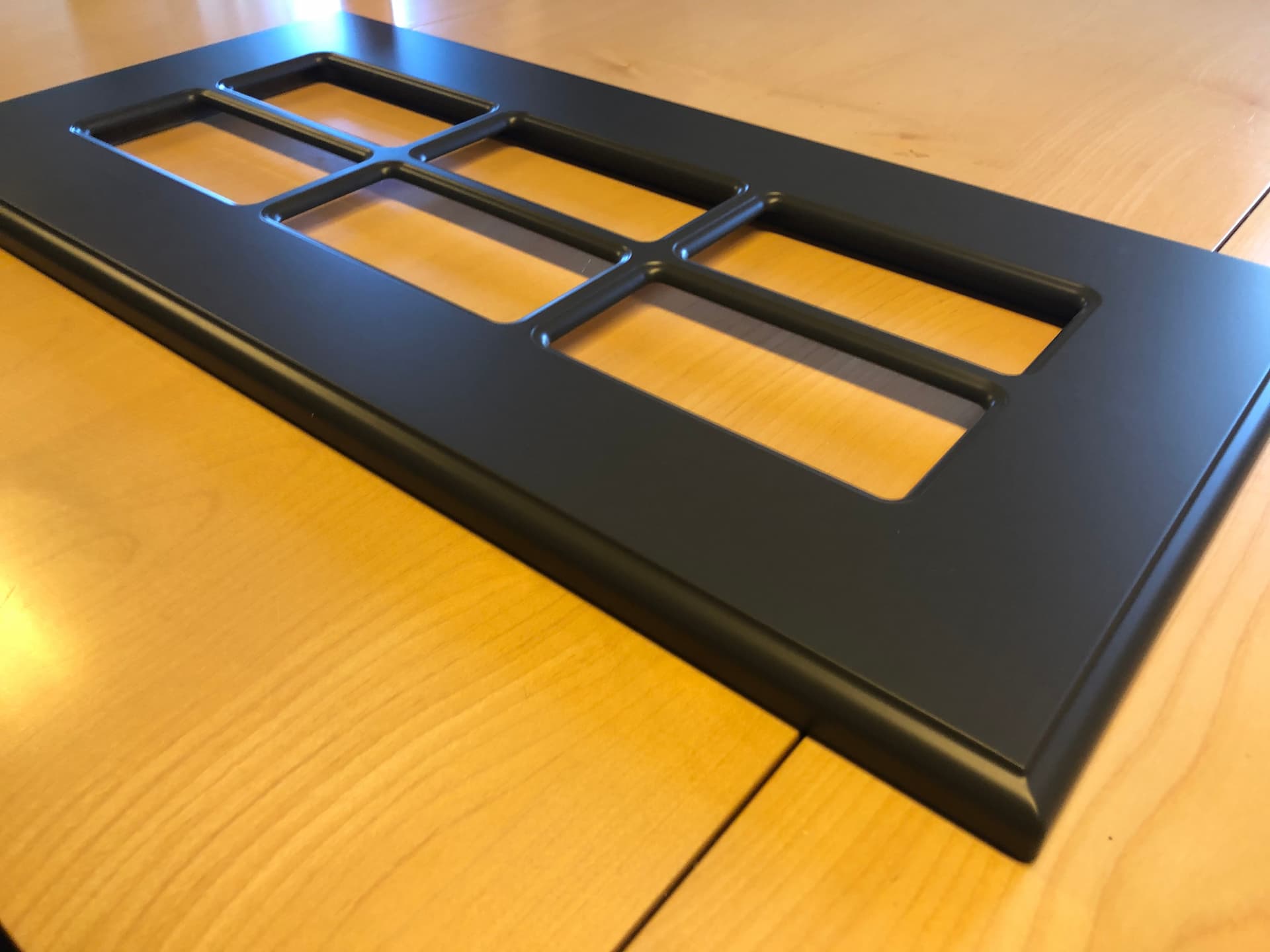
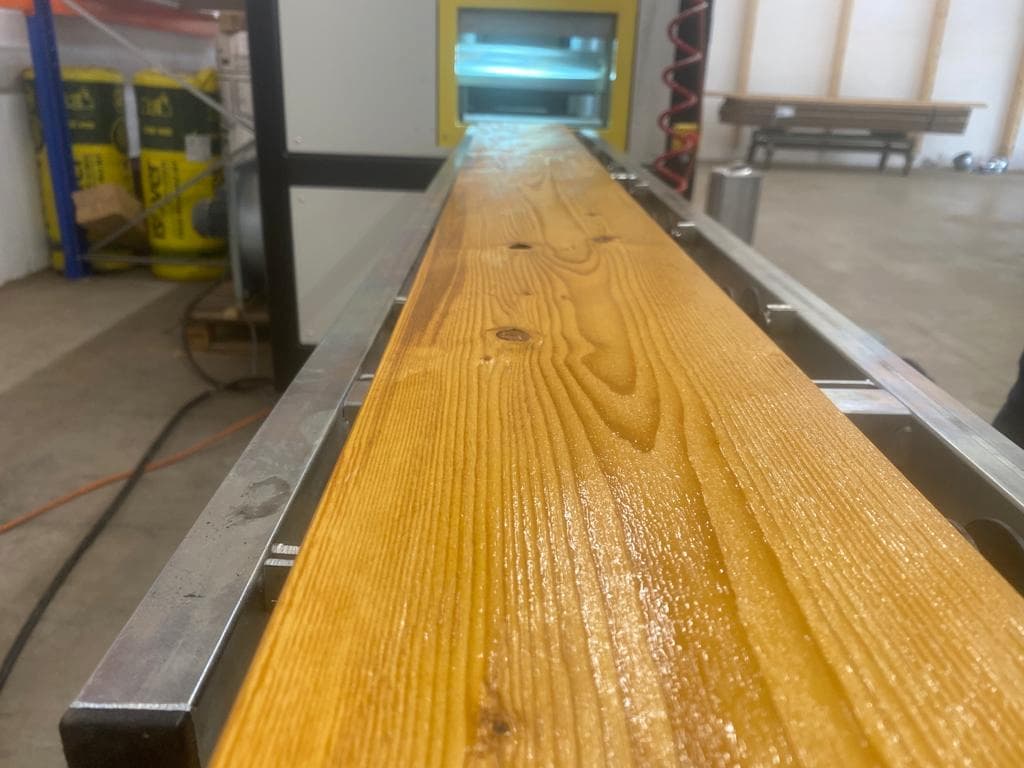
The machine is suitable for a wide variety of products, including moldings, panels, kitchen fronts, windows, doors, and much more. It supports various types of paint and offers programmability for fast setup times.
Which paint products can be processed with the Ceetec DuoFlexSpray painting machine?
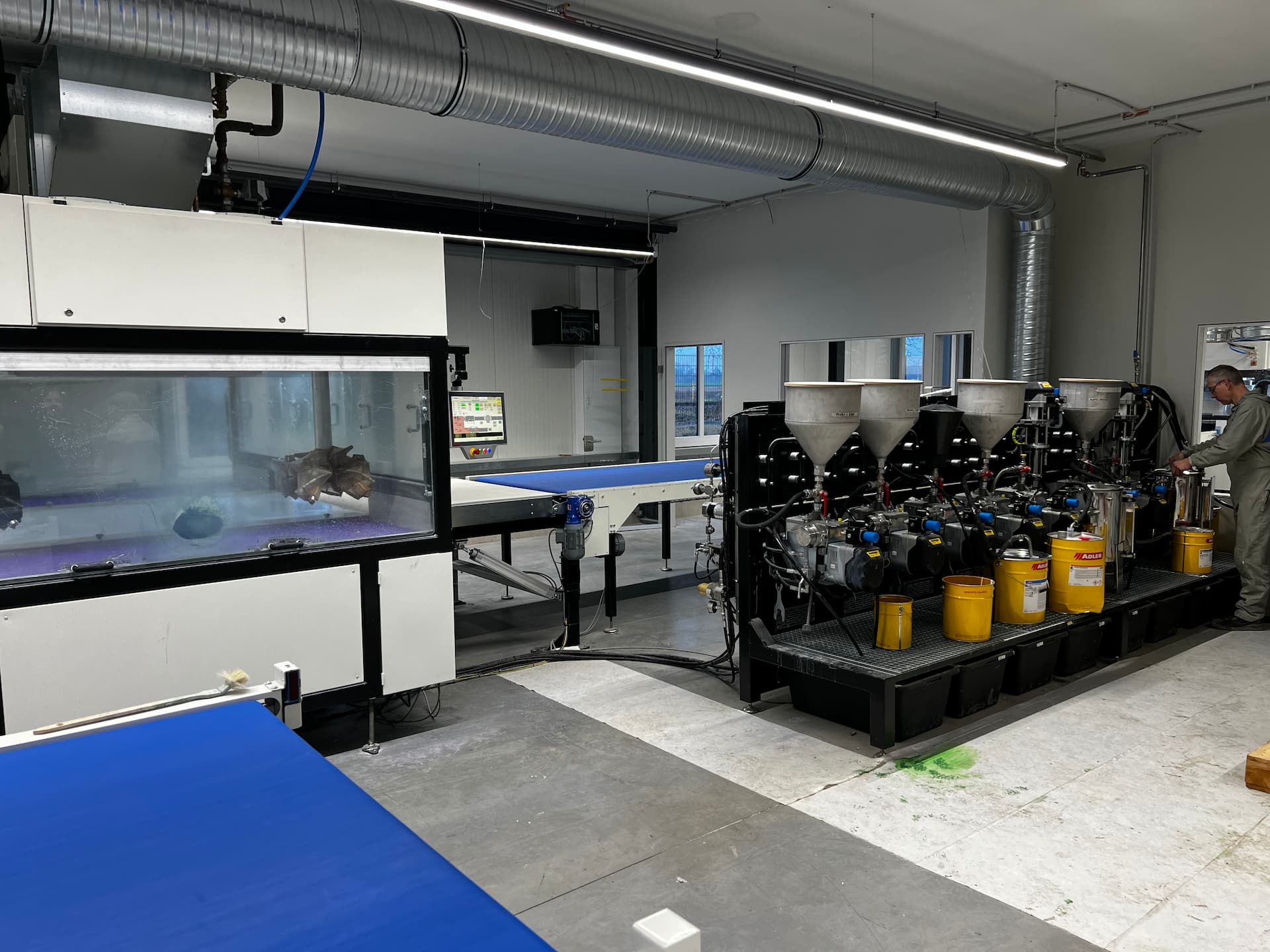
The DuoFlexSpray can process all water- and solvent-based paints, varnishes and impregnations.
What other advantages does the Ceetec DuoFlexSpray painting machine offer?
- Independence from skilled workers through simple operation
- High quality and repeatability through automated program management
- Efficient painting with significant time and paint savings
- Healthier and cleaner working environment thanks to reduced emissions
- Combinable with compact drying systems
Can the DuoFlex spray painting machine coat 100% of all geometries without rework?
Most profiles can be coated fully automatically. However, a small percentage of less common profiles typically remain that cannot be automated economically. Our goal is to find the optimal cost-effective solution for you; let's discuss this together.
How long does a color change or cleaning take?
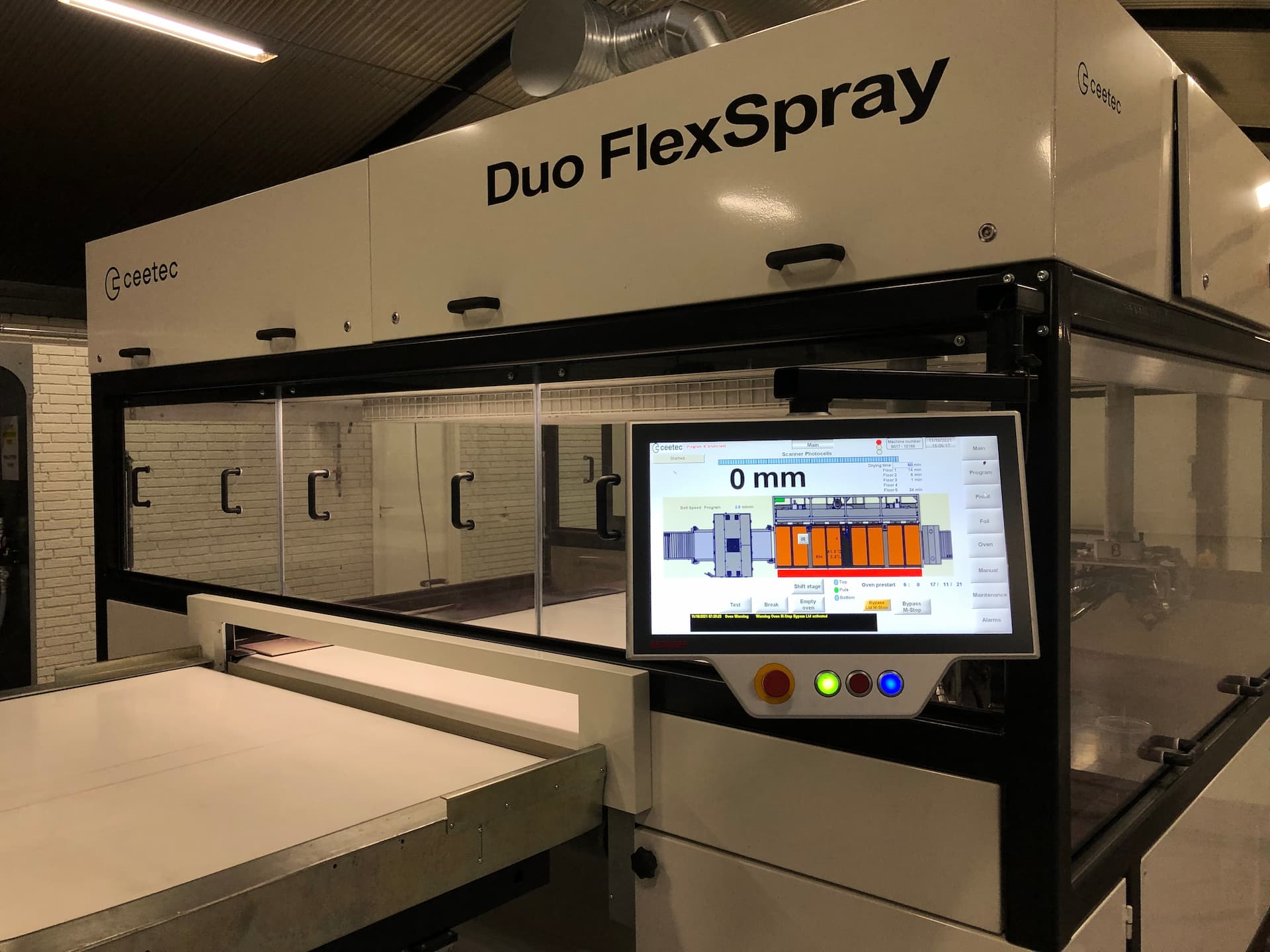
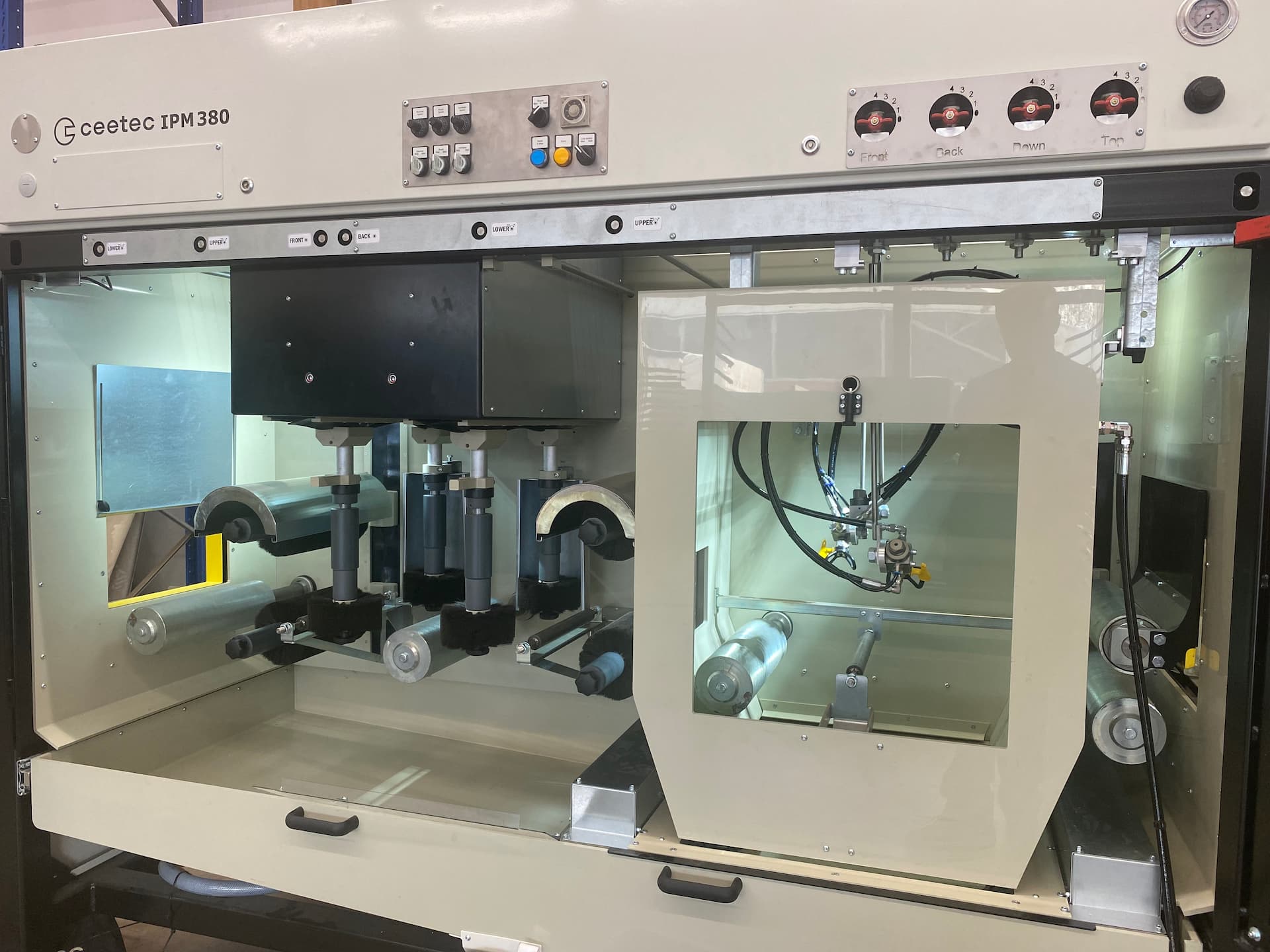
A color change takes just 3 minutes – from black to white! Cleaning takes between 3 and 20 minutes, depending on previous use. The DuoFlex Spray meets all technical requirements (material selection, accessibility, operating concept) for minimal downtime. Furthermore, you receive personalized training that leaves nothing to be desired. And that's not all: you also receive an online course that keeps your employees up-to-date and allows you to quickly train new employees.
Are there also more compact machines available? I've seen machines with only one crossbeam from other manufacturers.
No, the DuoFlex Spray 1.300 is our smallest entry-level model. Machines with only one traverse have a number of crucial disadvantages. That's why we decided not to build them.
Does the machine use paper as a protective backing or does it have a washing system?
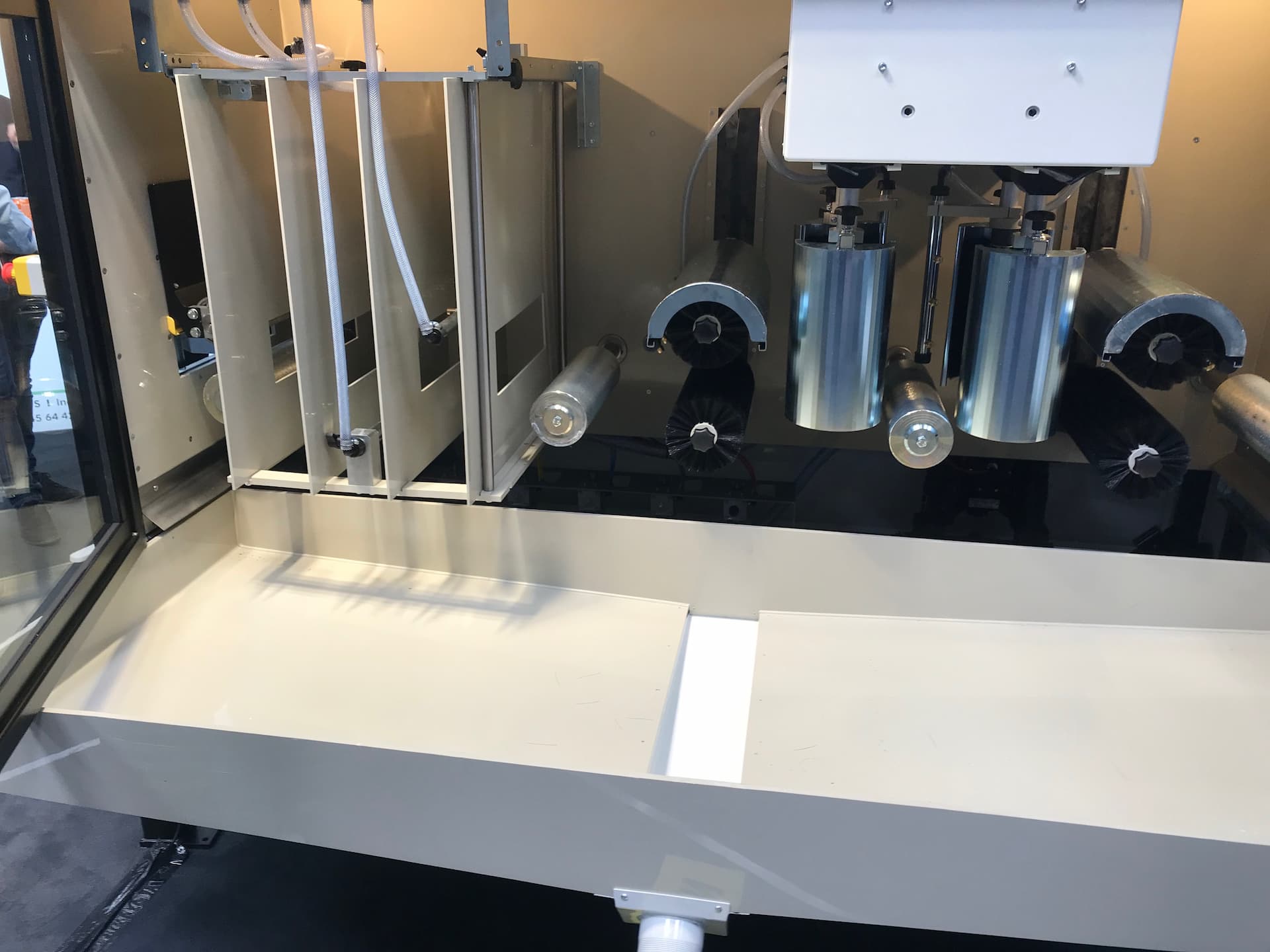
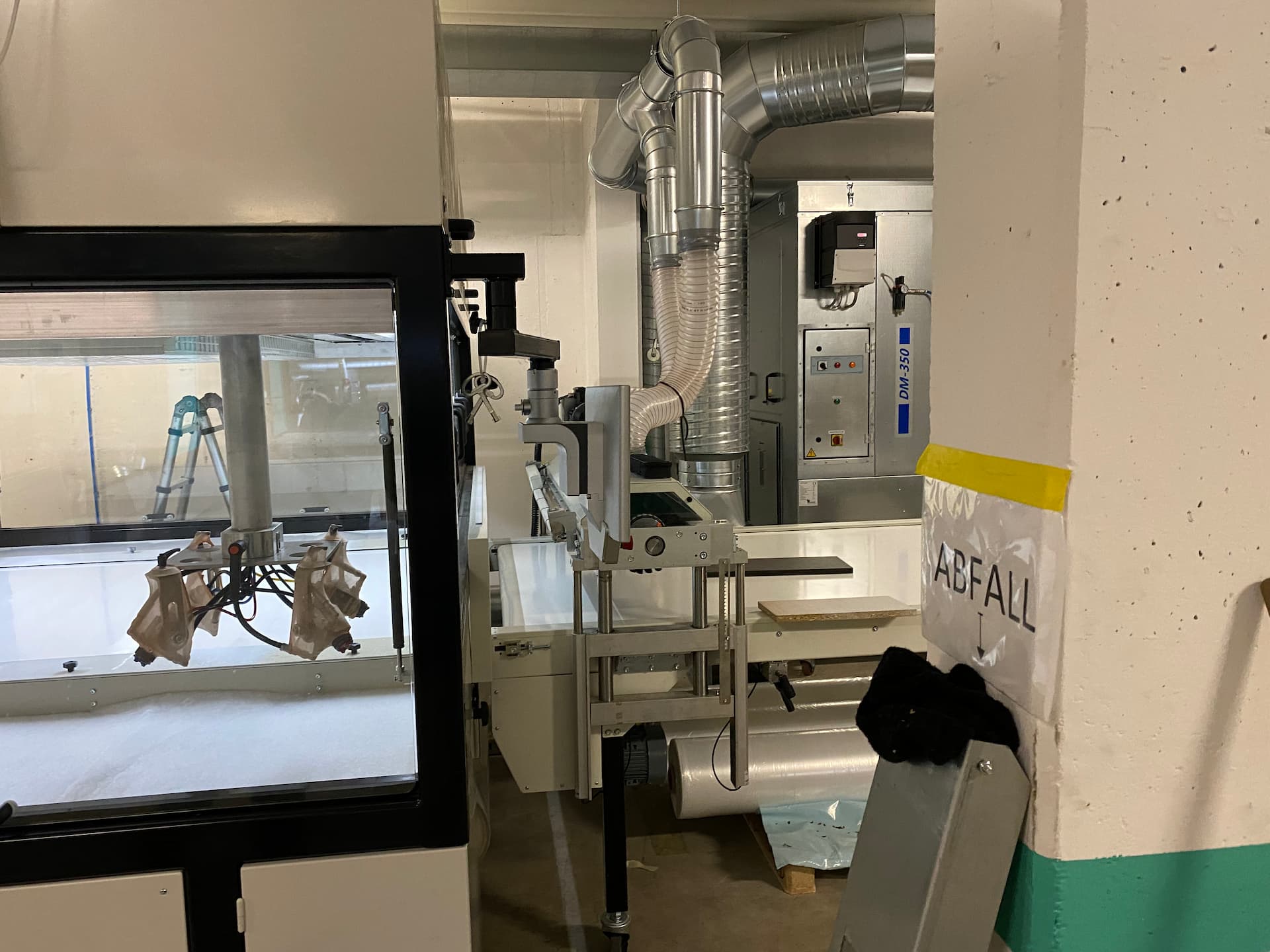
Neither: we work with a protective film for all designs. This has decisive advantages and, the way we do it, is even comparatively environmentally friendly. We would be happy to discuss this further in person. The most important advantage for you: you ALWAYS have a clean working area, can scrape off paint and reuse it. And all this remains unchanged for years with minimal maintenance.
What other advantages does the DuoFlex painting machine offer?
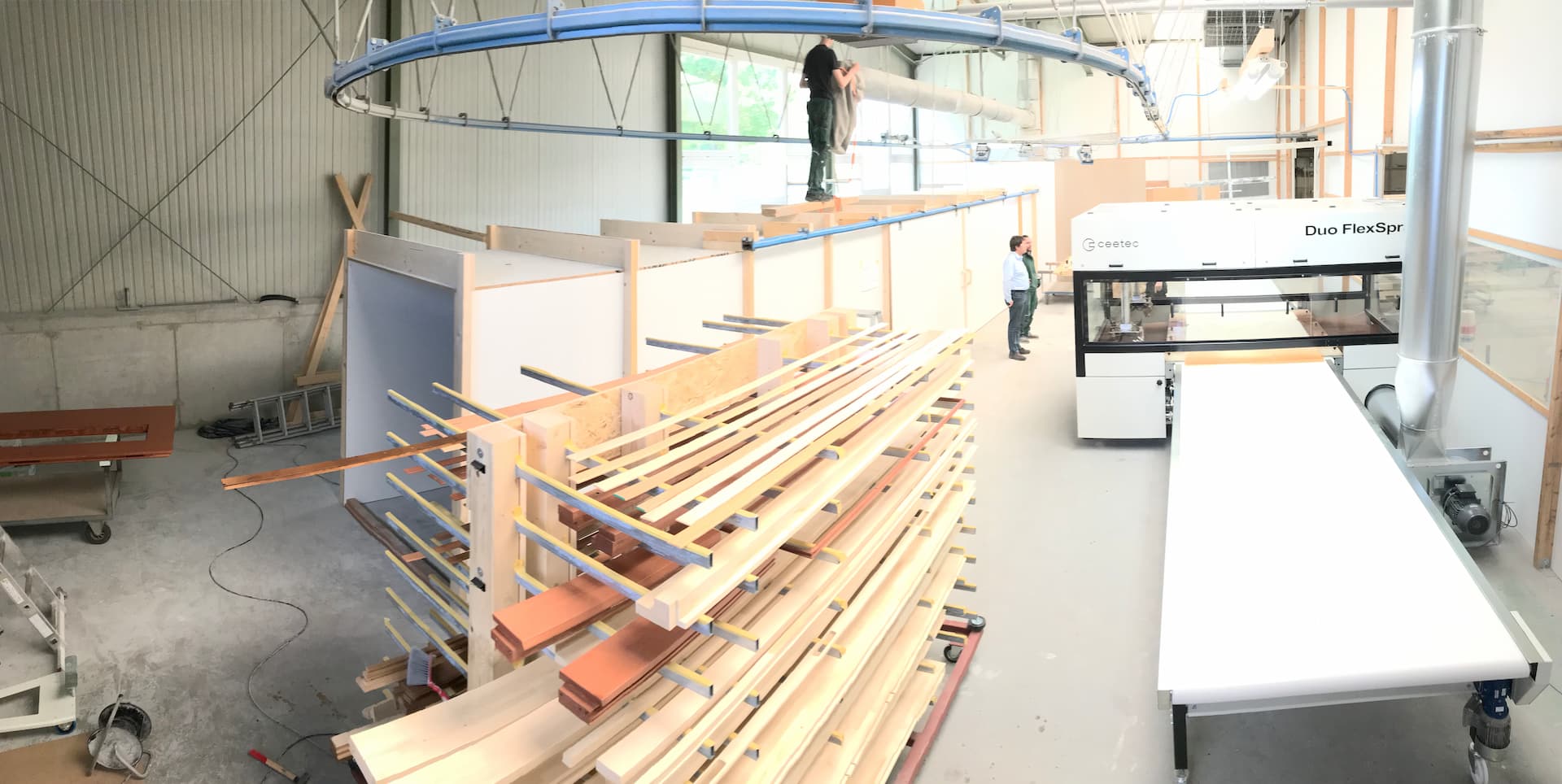
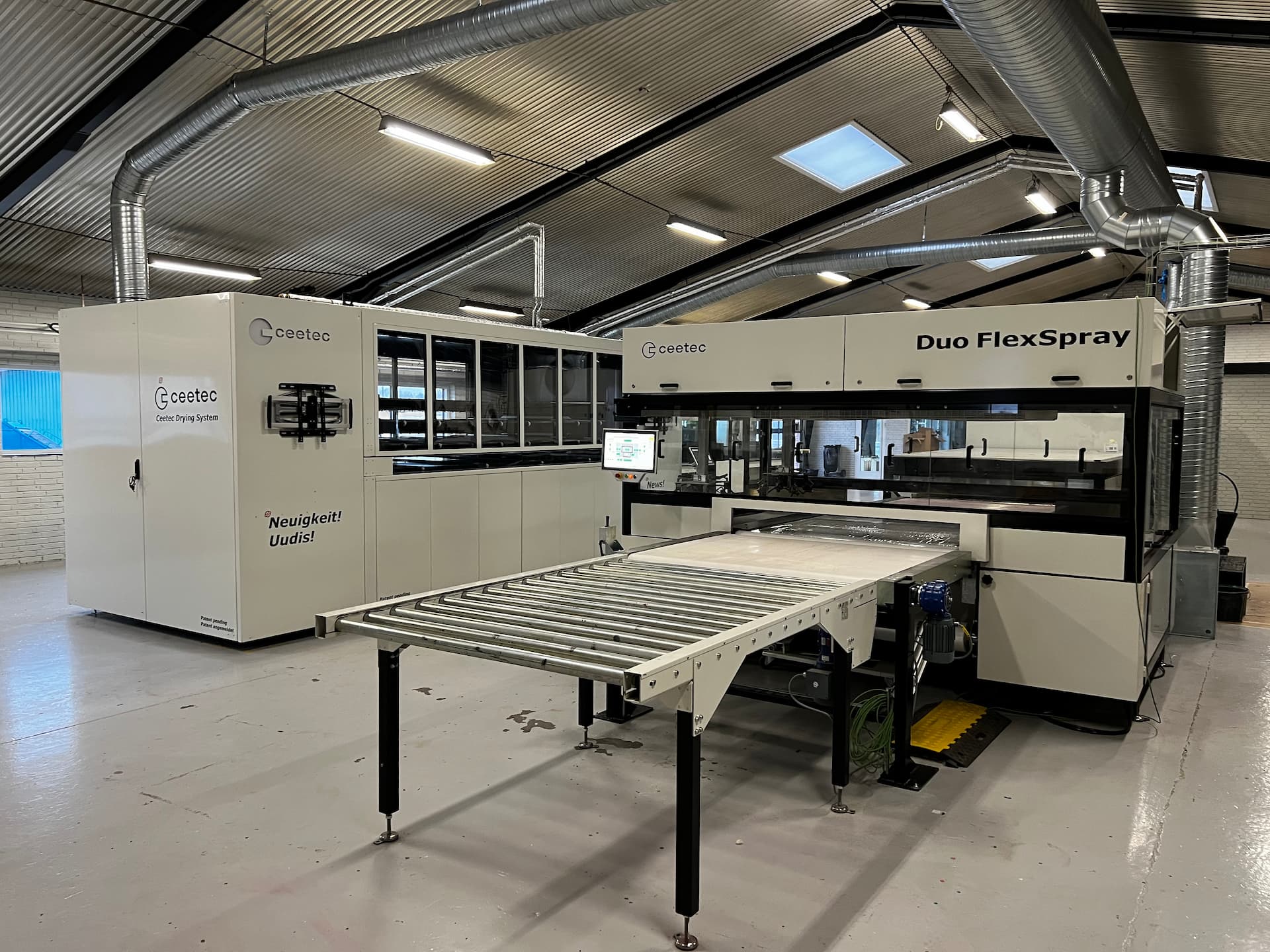
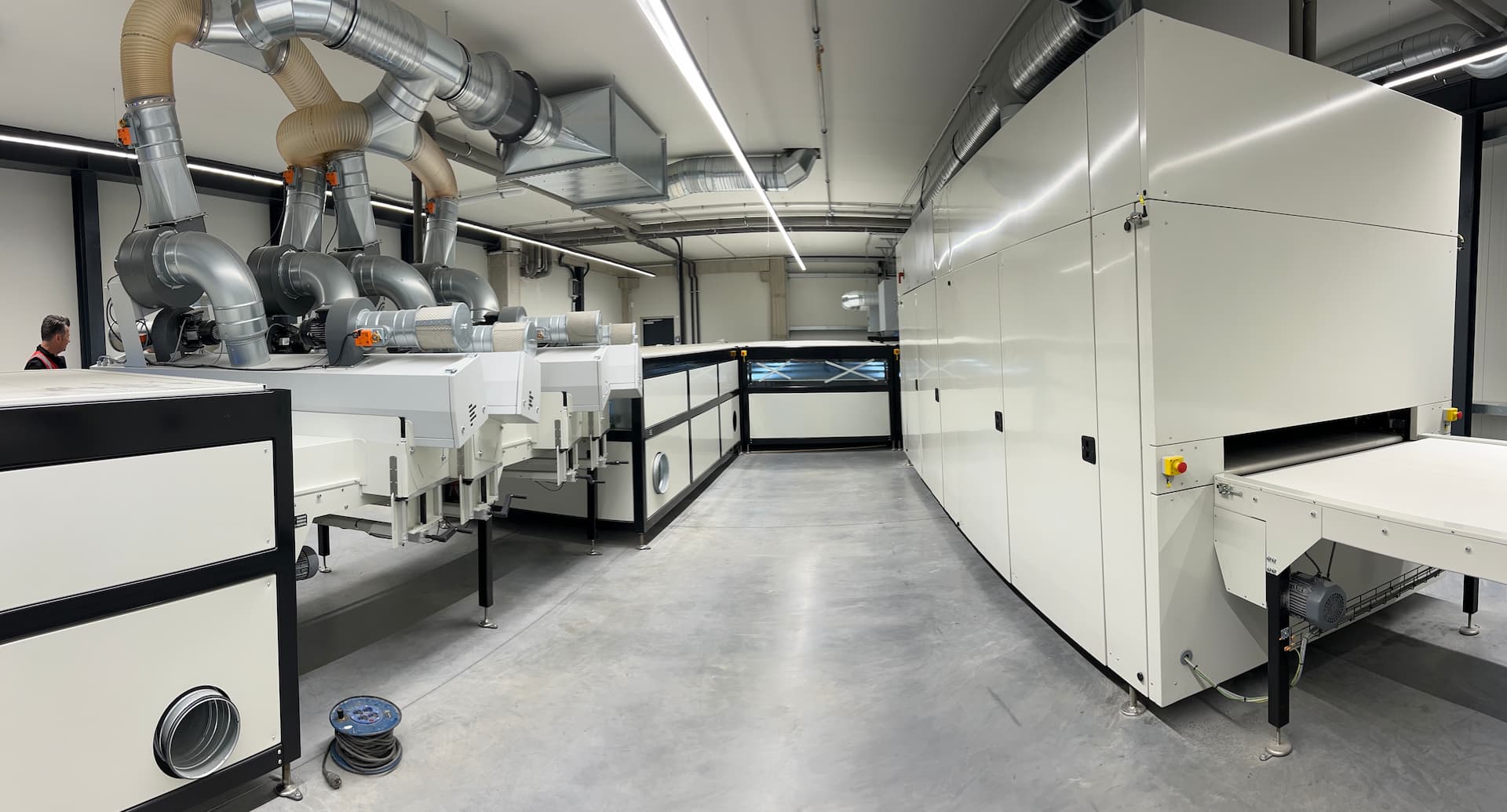
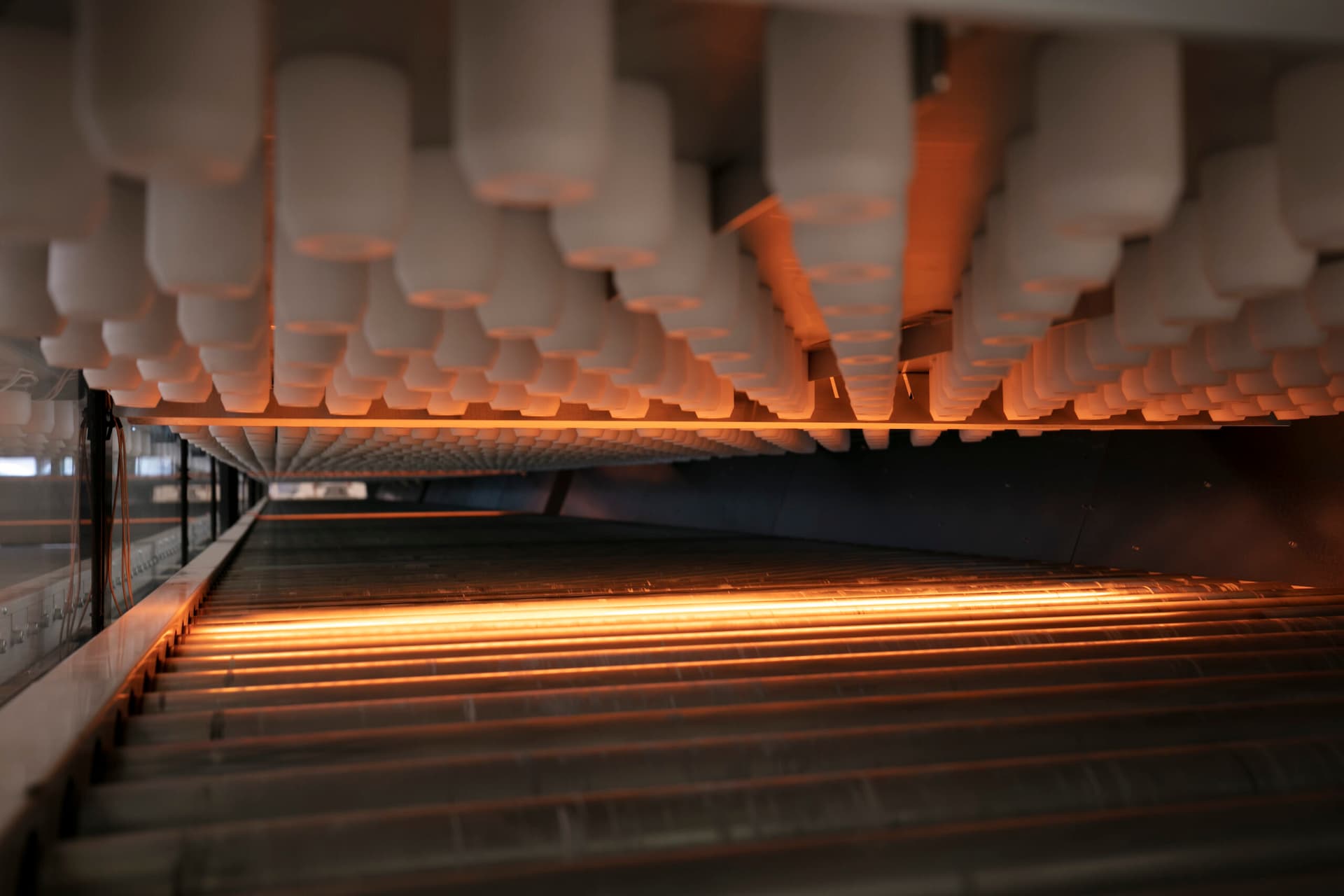
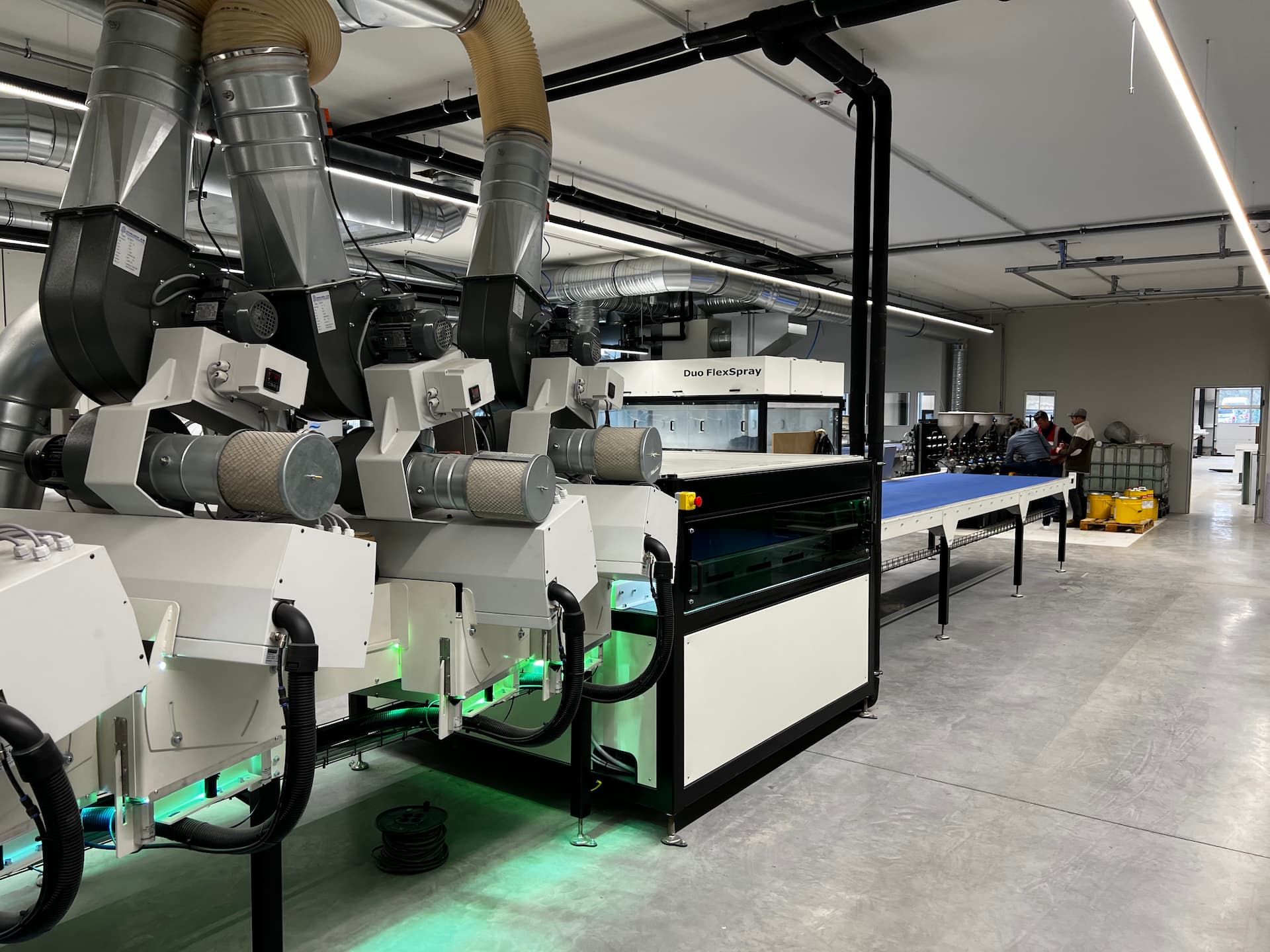
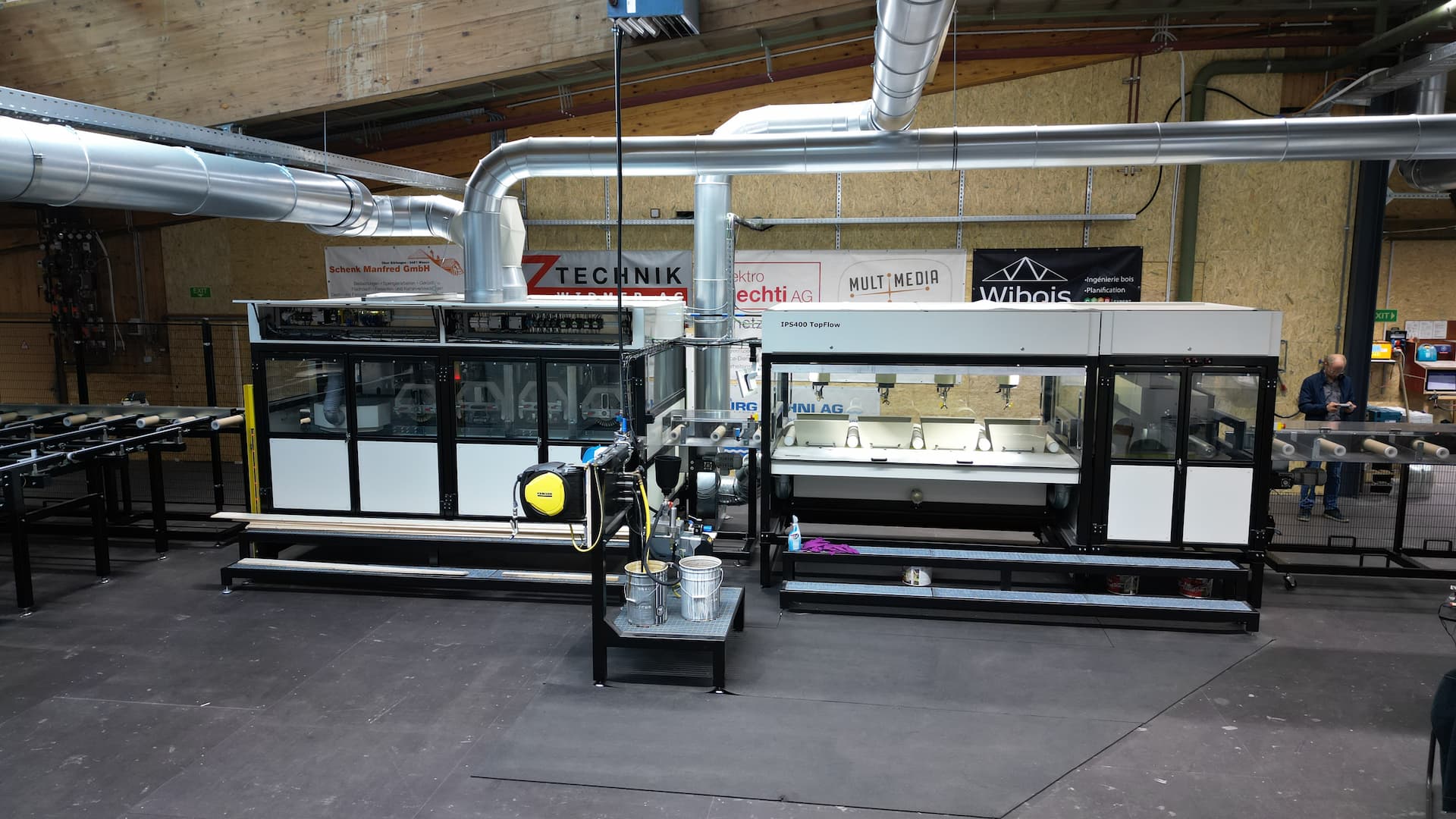
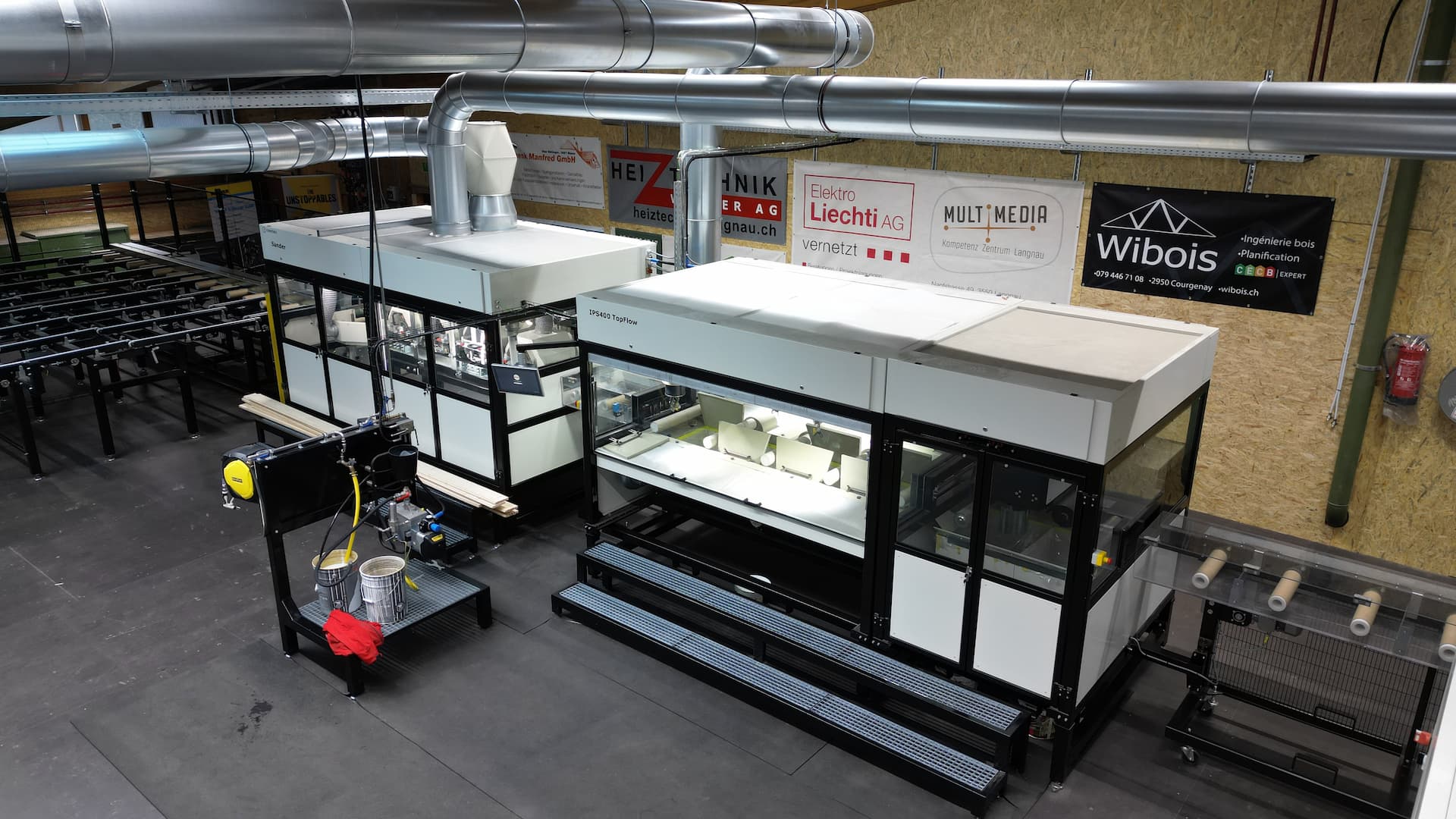
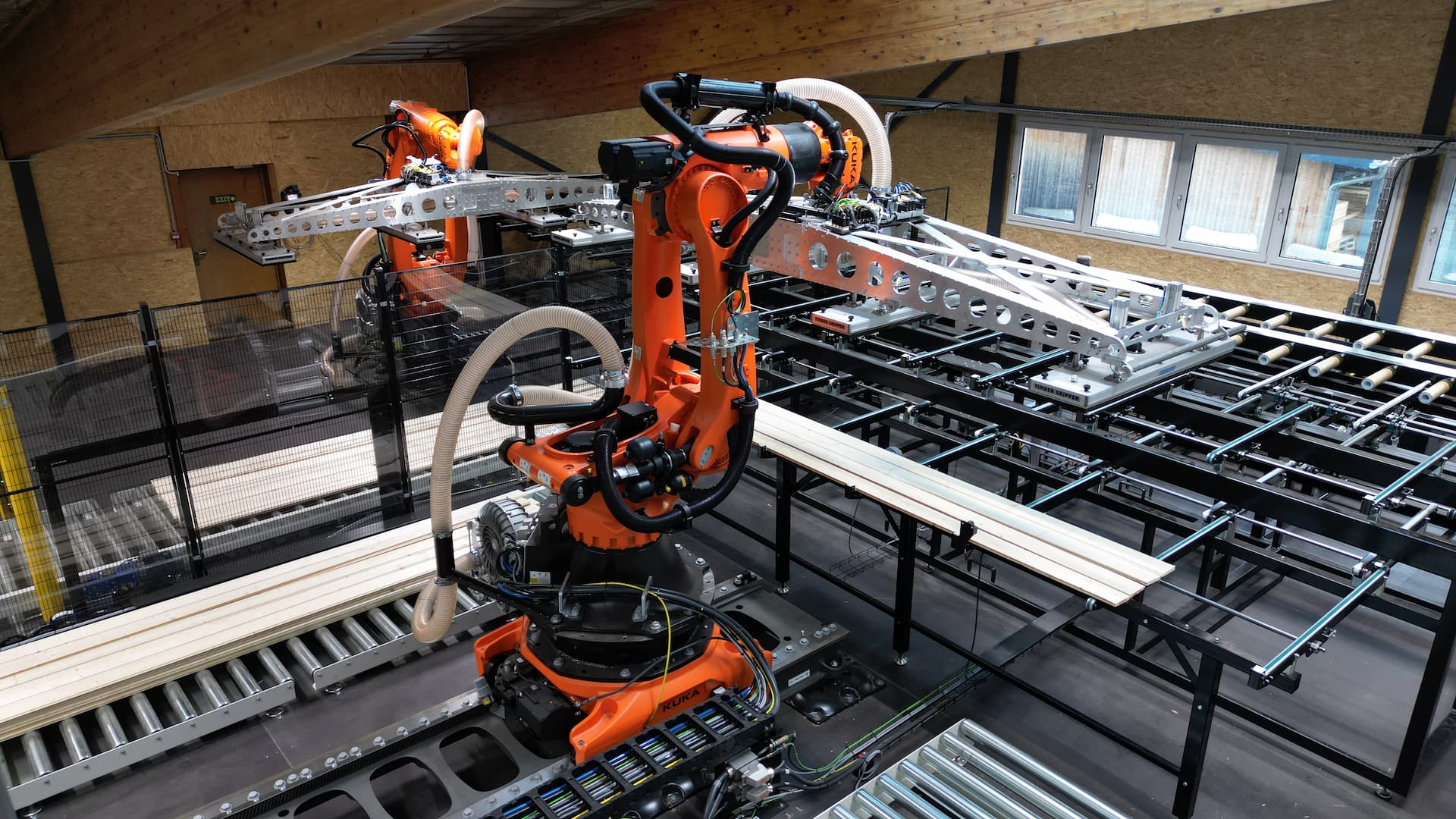
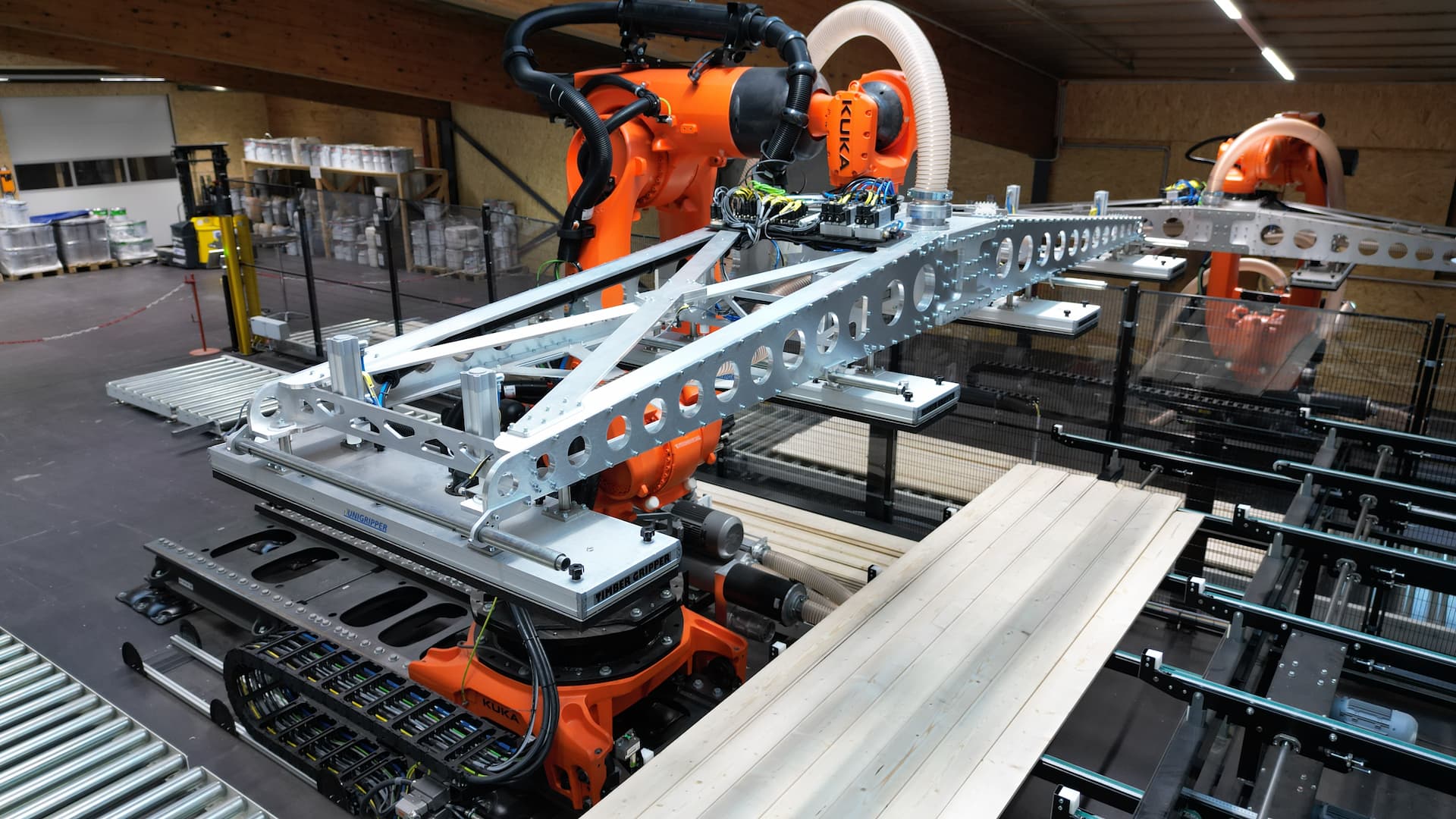
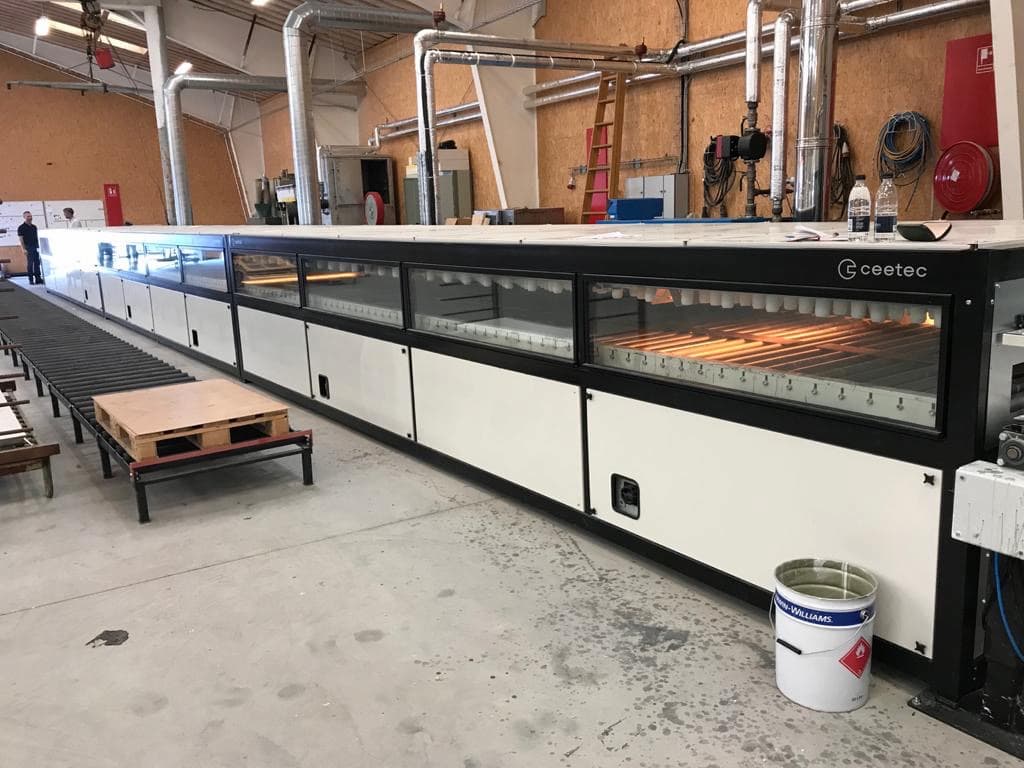
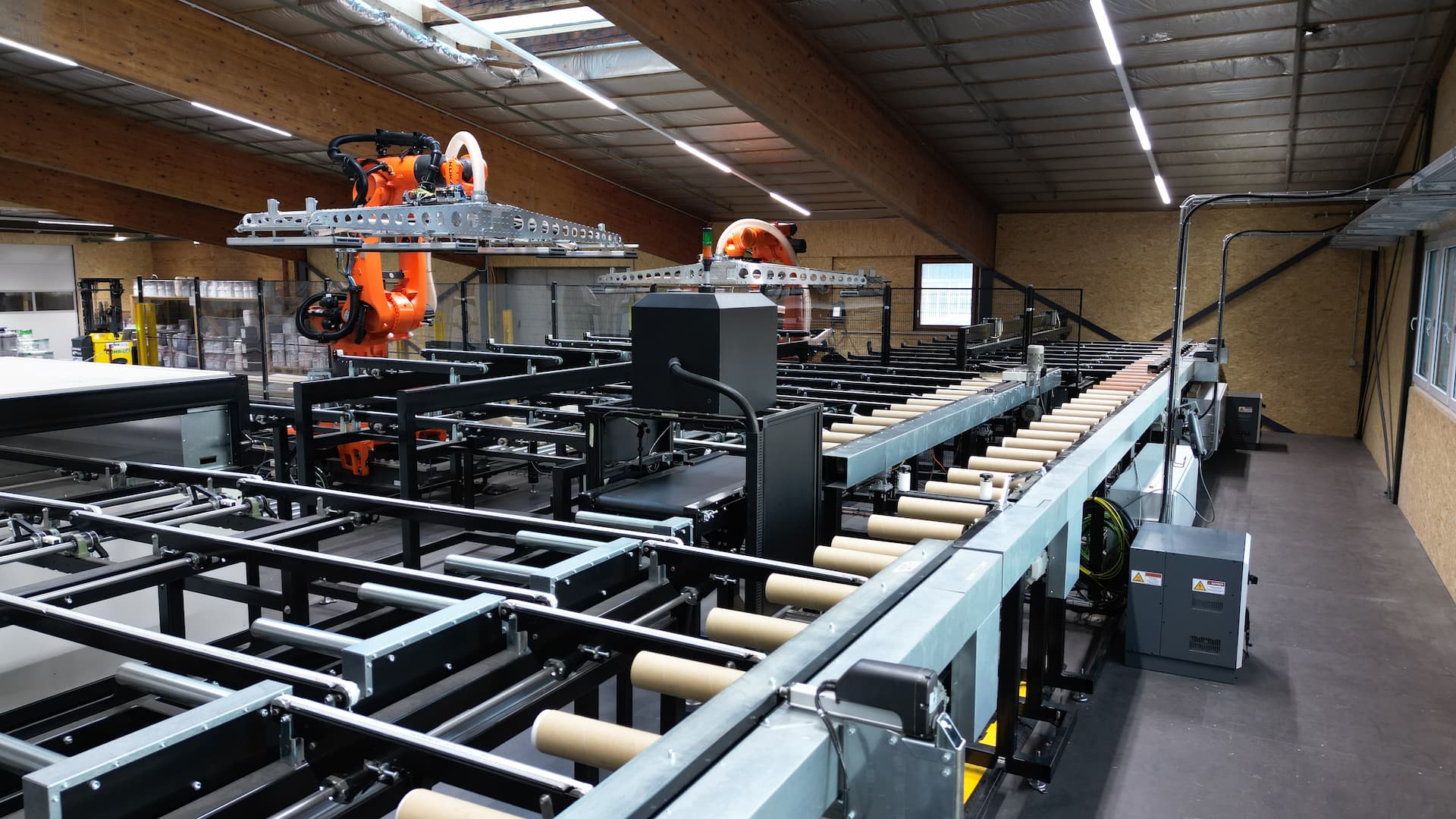
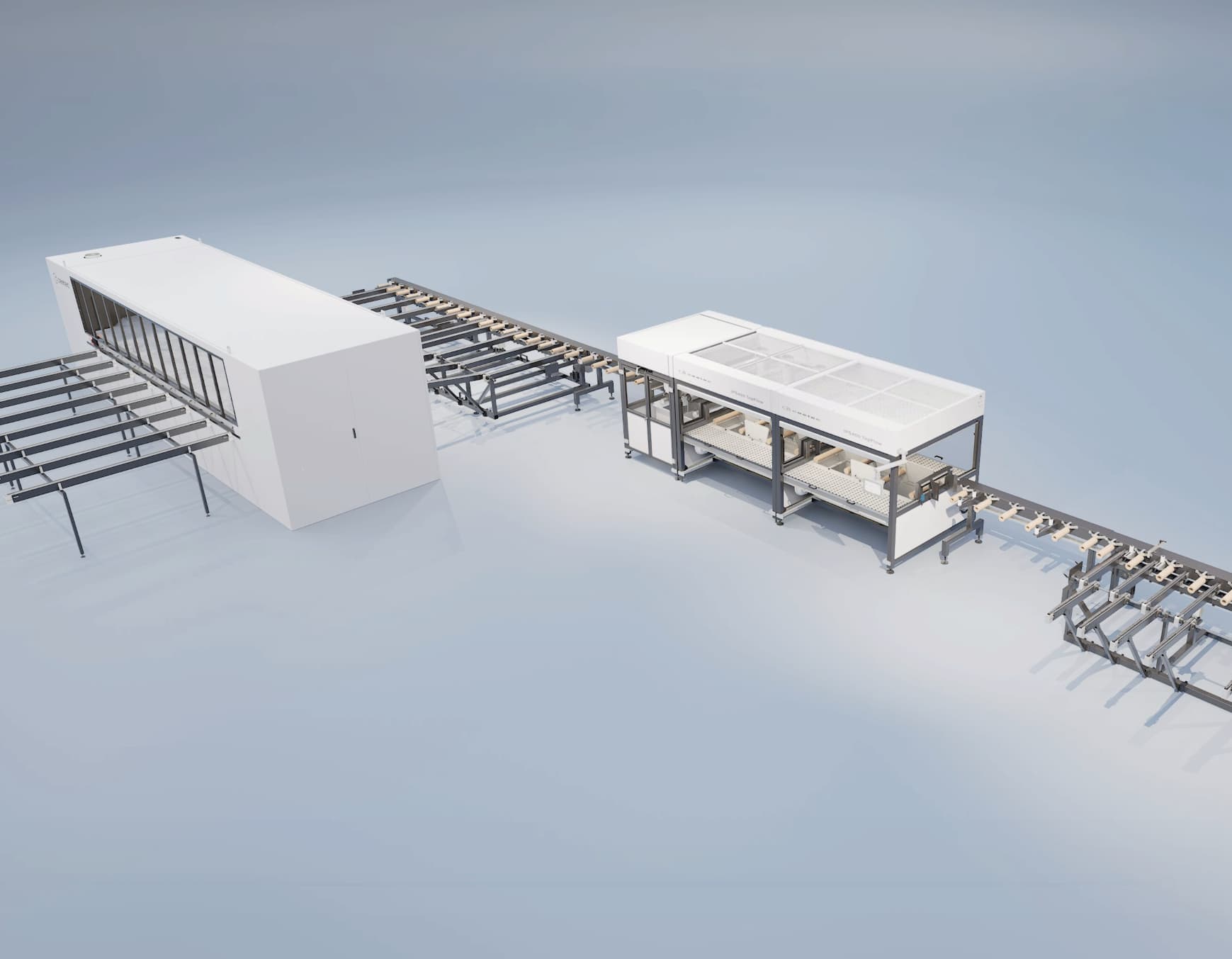
It is part of our extensive modular system and can be expanded with grinding machines, preheating tunnels, cleaning systems, drying channels and mechanization including KUKA robots to create a line perfectly suited to your needs.
Do I need to be a trained painter to operate the system?
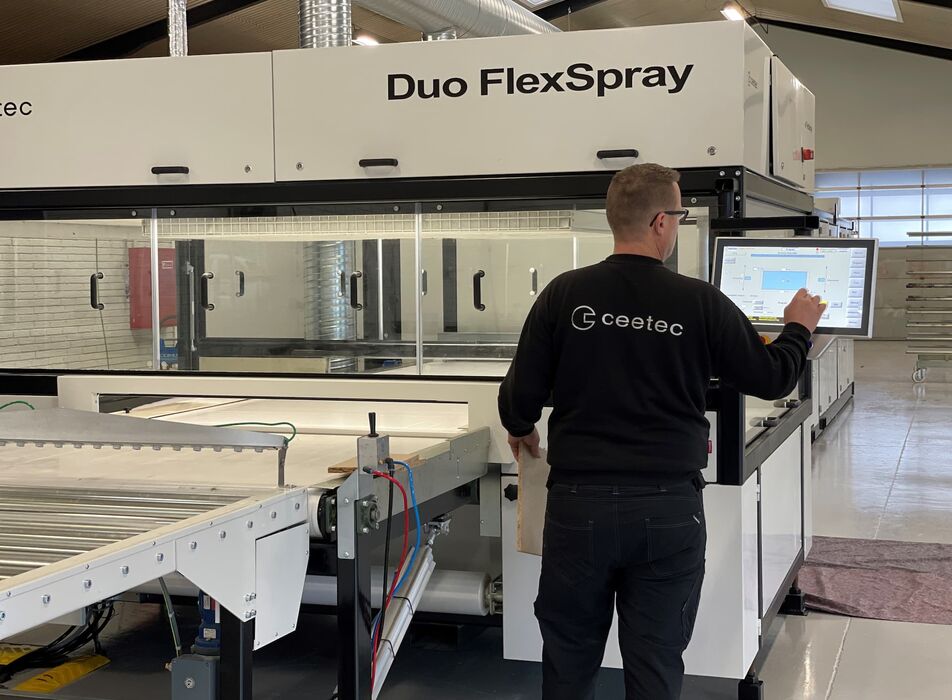
No – a one-day training course from us is sufficient to enable you to produce results that are admired throughout the market. The whole process is supported by an online course that you and your employees can use as a reference guide for all relevant questions.
What is the current delivery time?
We currently have a lead time of at least four months. The smaller DuoFlex Spray 1.300 is sometimes in stock. So if you already have large quantities to coat and need help as soon as possible, we could provide you with a smaller machine as a temporary solution until the large machine arrives and can cover much more.
How much space does the machine require?
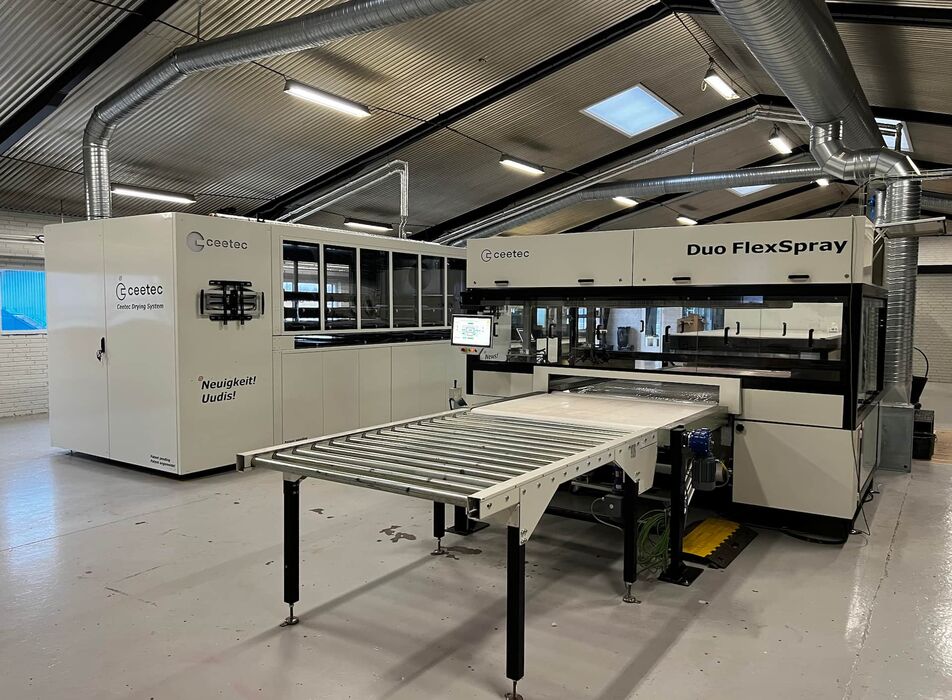
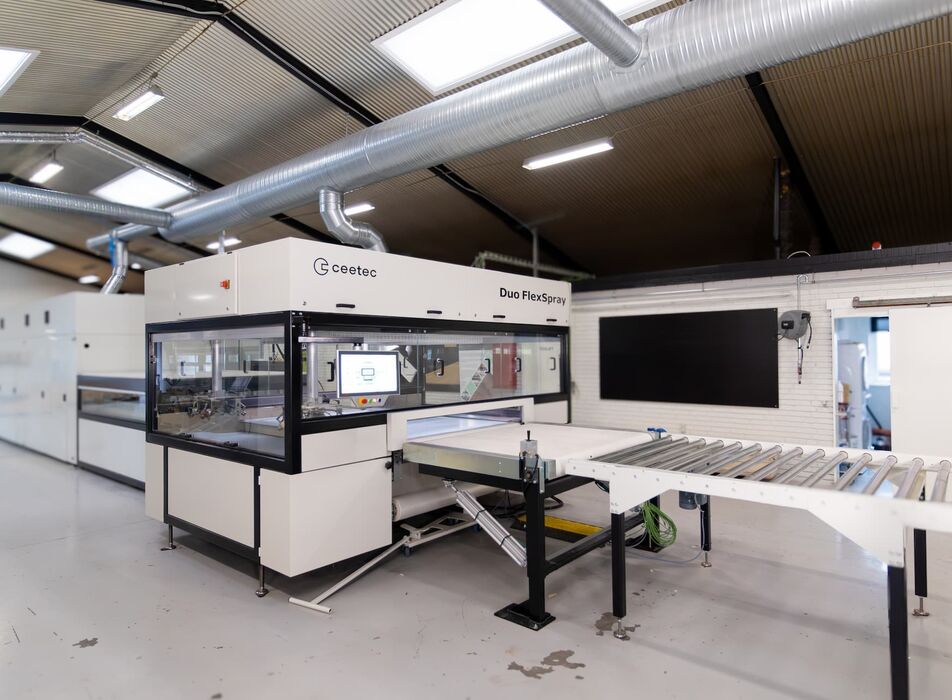
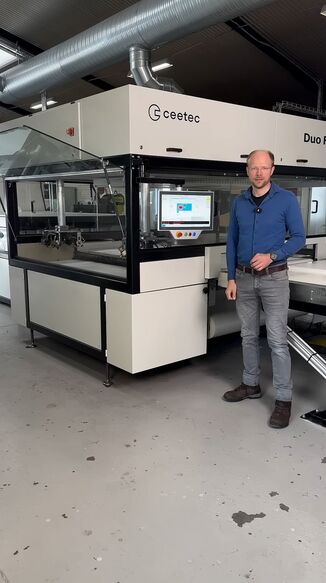
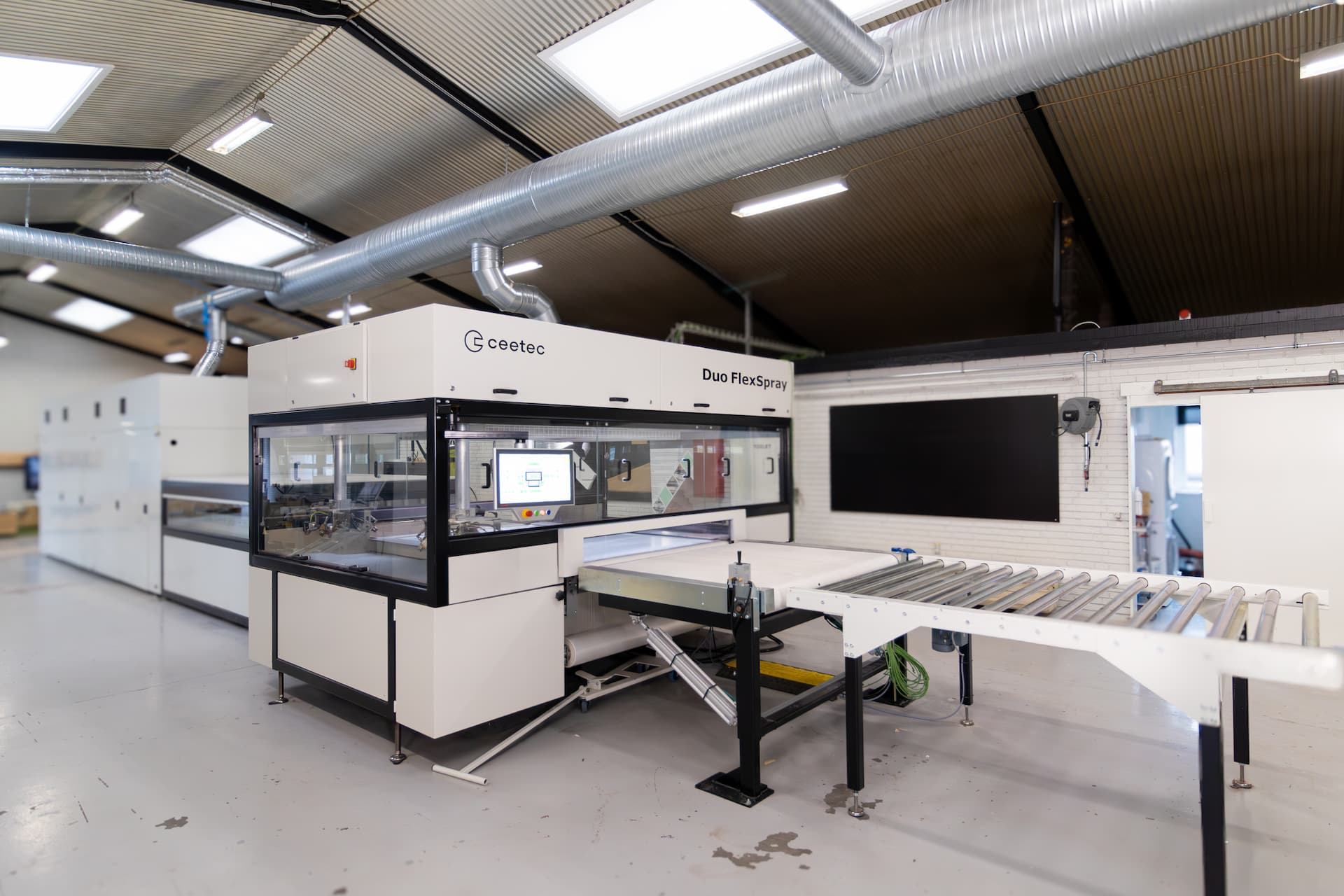
The machine itself is only 2.40 m deep and 3.50 m wide. Depending on the local conditions, it can be placed against a wall with either its narrow or wide side facing the wall (we would be happy to explain this in person). The roller conveyors or conveyor belts in front of and behind it can be mounted on rollers and moved aside if space is required elsewhere. The conveyor belts should be at least 2/3 of the length of the regularly occurring components.